
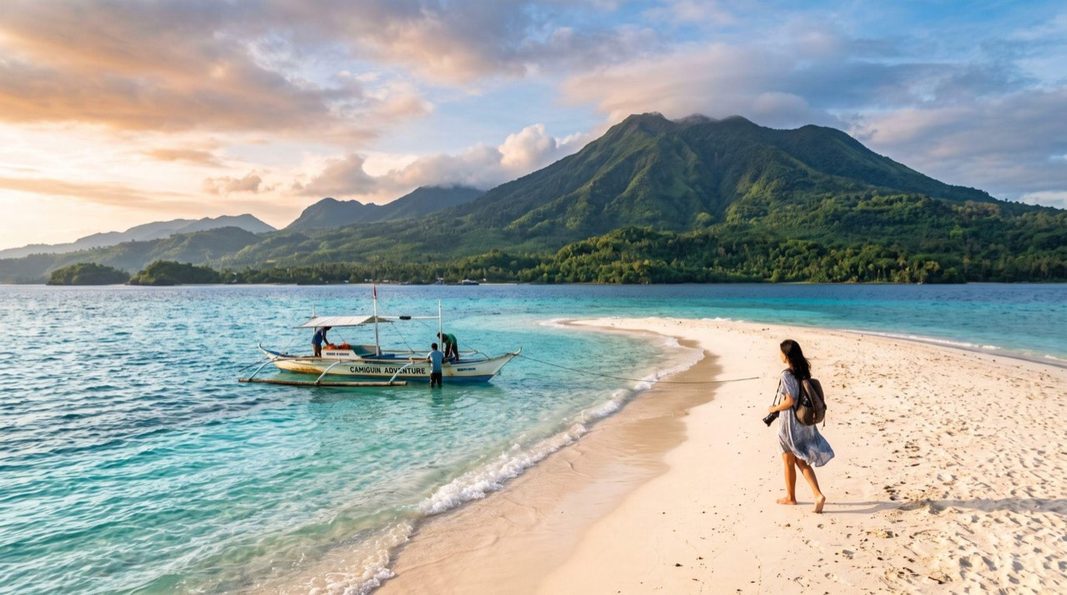
Camiguin may be a small island, but it packs plenty into a single trip. One day can take travelers from a quiet sandbar to a towering waterfall, a volcanic spring, or a historic site surrounded by lush greenery. Add good local food, scenic roads, and a slower island pace, and it is easy to see why Camiguin deserves a spot on a Philippine travel itinerary.
This Camiguin travel guide covers the best places to visit, exciting things to do, practical travel tips, and the best time to visit Camiguin. Whether planning a quick weekend escape or a longer island adventure, these tips can help make the most of the trip.
Quick Answer: Camiguin Travel Guide
Planning a trip to Camiguin? Here are the essentials at a glance:
- Where is Camiguin? Camiguin is an island province in Northern Mindanao, Philippines, known for its volcanic landscapes and natural attractions.
- What is Camiguin known for? White Island, Sunken Cemetery, waterfalls, hot and cold springs, beaches, and historic sites.
- What are the best places to visit in Camiguin? White Island, Sunken Cemetery, Katibawasan Falls, Ardent Hot Spring, Sto. Niño Cold Spring, Mantigue Island, and Old Church Ruins.
- What are the best things to do in Camiguin? Go island hopping, swim, snorkel, chase waterfalls, explore heritage sites, try local food, and enjoy scenic island tours.
- How many days are enough? 2–3 days is enough to explore many of Camiguin's main attractions.
- When is the best time to visit Camiguin? The drier months are generally more suitable for outdoor activities and island hopping.
- Is Camiguin worth visiting? Yes. Its mix of beaches, volcanic attractions, waterfalls, springs, and heritage sites makes it a great choice for a relaxed island getaway.
What’s Inside
- What is Camiguin Known For?
- What are the Best Places to Visit in Camiguin?
- What are the Best Things to Do in Camiguin?
- How Many Days are Enough for Camiguin?
- Where to Stay in Camiguin
- When is the Best Time to Visit Camiguin?
- How to Get to Camiguin
- Camiguin Travel Tips for First-Time Visitors
- Is Camiguin Worth Visiting?
- Final Thoughts: Planning a Camiguin Trip
- Frequently Asked Questions About Traveling to Camiguin
What is Camiguin Known For?
Camiguin is best known for its natural attractions and volcanic landscape, with several volcanoes, waterfalls, springs, beaches, and other sites shaped by its geological history. It’s also one of the most underrated destinations in the Philippines, offering plenty to explore without the crowds found in some of the country's more popular islands.
Located in Northern Mindanao, Camiguin is an island province in the Philippines made up of five municipalities: Mambajao, Catarman, Sagay, Mahinog, and Guinsiliban. Its relatively compact size makes it easy to explore several attractions in one trip without spending most of the day traveling between destinations.
Some of the most popular attractions include White Island, the Sunken Cemetery, Katibawasan Falls, Ardent Hot Spring, and Mantigue Island. Historic landmarks such as the Old Church Ruins also give visitors a glimpse into Camiguin's past.
What are the Best Places to Visit in Camiguin?
The best places to visit in Camiguin range from picturesque sandbars and waterfalls to springs and heritage sites. Each attraction offers a different experience, so an itinerary can easily combine sightseeing, swimming, nature trips, and cultural stops.
White Island
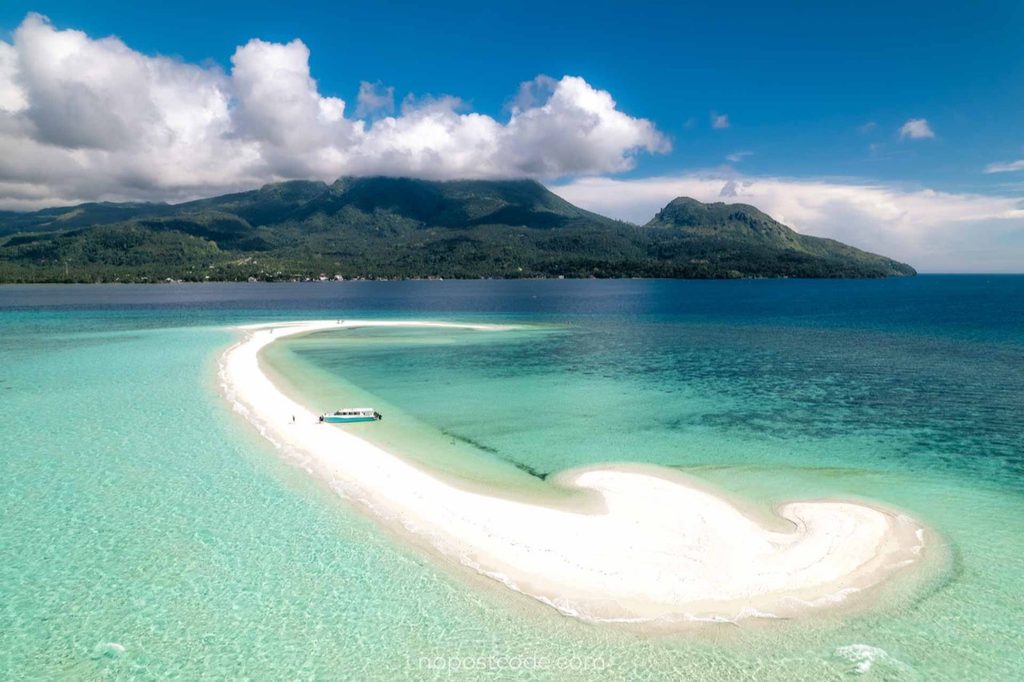
Photo Source: No Postcode
White Island is one of the most recognizable attractions in Camiguin and is often considered one of the most beautiful sandbars in the Philippines. This uninhabited sandbar sits offshore and is known for its bright white sand, clear surrounding waters, and stunning views of Camiguin's mountainous landscape.
There are no permanent structures on the sandbar, giving it a peaceful and open feel. It is a popular spot for swimming, taking photos, soaking up the sun, and simply enjoying the scenery.
Boat trips to White Island are typically arranged from the mainland, so checking local weather and sea conditions before heading out is a good idea.
Sunken Cemetery
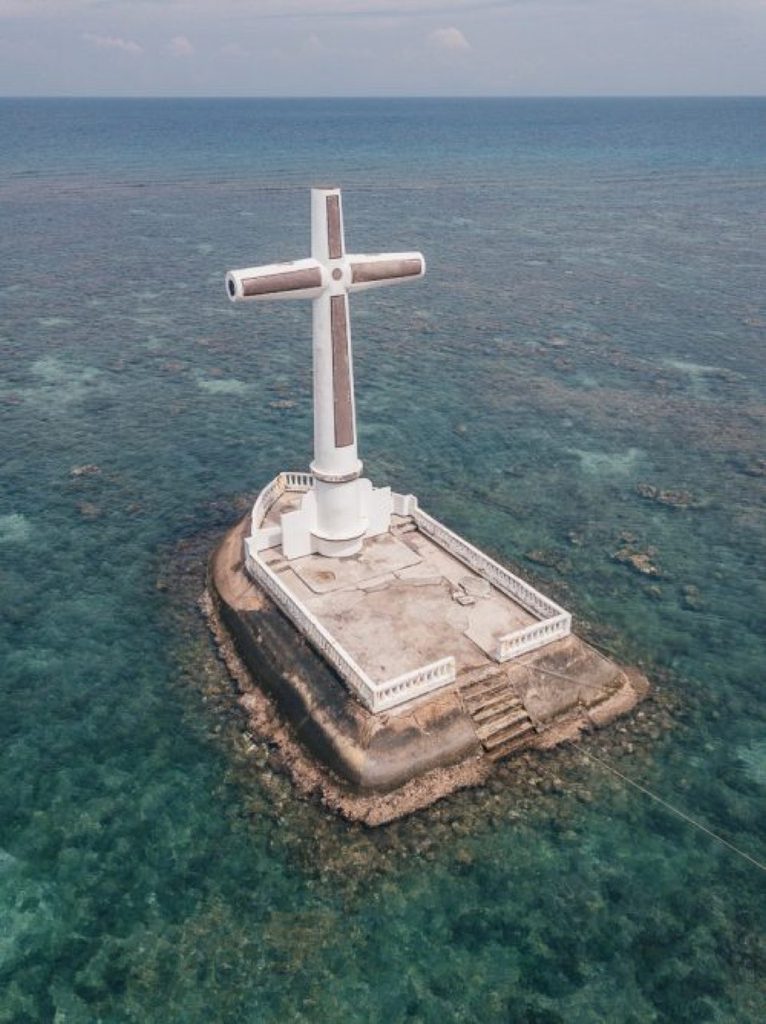
Photo Source: Jonny Melon
The Sunken Cemetery is another must-see attraction. Marked by a large cross standing offshore, the site represents a cemetery that was submerged following volcanic activity and changes to the coastline.
It has become one of Camiguin's most recognizable landmarks and is especially striking around sunset.
The site is also a good example of how the island's volcanic history has influenced its landscape and communities.
Katibawasan Falls
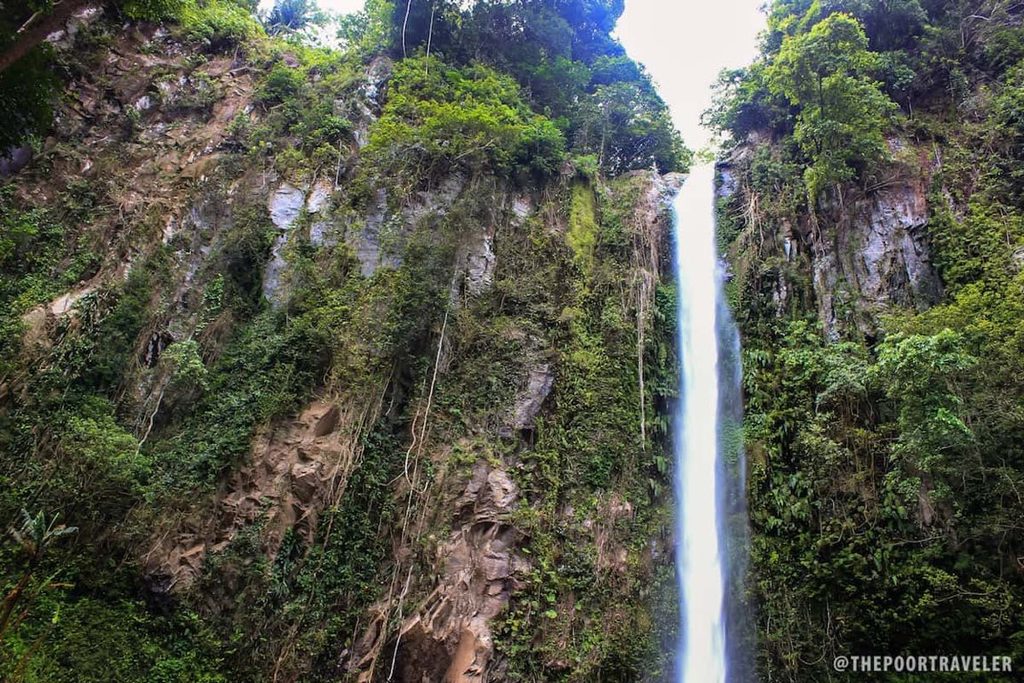
Photo Source: The Poor Traveler
Nature lovers should make time for Katibawasan Falls. The waterfall drops from a considerable height into a pool surrounded by lush vegetation, creating a refreshing stop during an island tour.
The area provides a chance to cool down after exploring other attractions. Visitors can also enjoy the surrounding greenery and take photographs of the waterfall.
Tuasan Falls
Tuasan Falls offers another opportunity to experience Camiguin's natural scenery. Compared with some of the island's more famous attractions, it can feel like a quieter addition to an itinerary.
The waterfall is surrounded by greenery and is a good choice for travelers who want to include a nature stop in their trip.
Ardent Hot Spring
Nestled at the foot of Mount Hibok-Hibok, Ardent Hot Spring showcases Camiguin’s volcanic character with multi-tiered pools surrounded by rainforest. Visiting in the late afternoon or evening is ideal, as the cooler air makes soaking far more pleasant.
However, keep in mind that past earthquakes shifted the underground thermal sources, cooling the spring over time. Instead of a steaming hot bath, expect a mild, lukewarm soak (around 30°C) to unwind after a day of sightseeing.
Sto. Niño Cold Spring
For the opposite experience, head to Sto. Niño Cold Spring. Its cool, clear water provides a refreshing break, particularly during warm afternoons.
The spring is surrounded by greenery and is a popular stop for travelers looking to swim and relax.
Mantigue Island
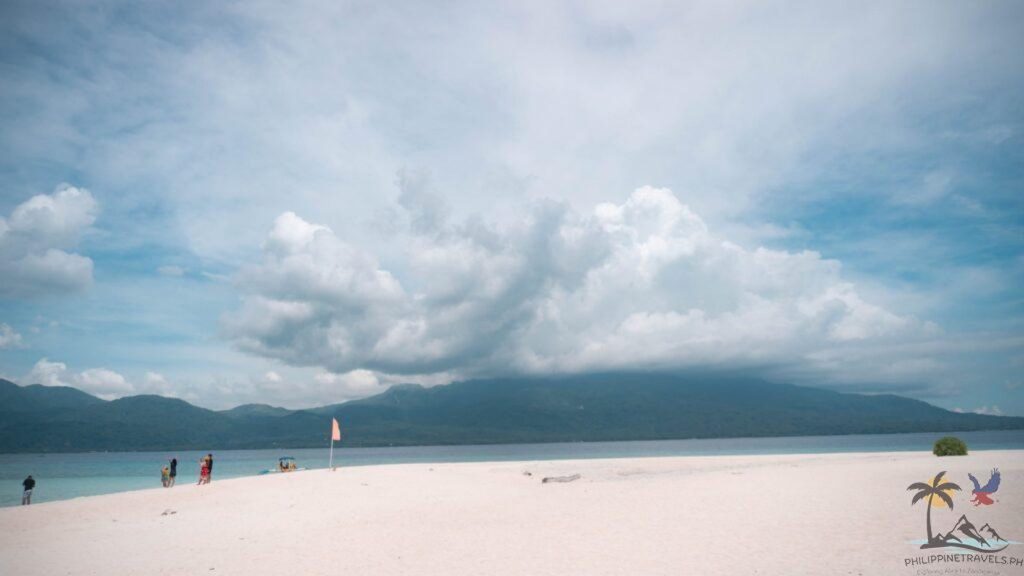
Photo Source: Philippine Travels
Mantigue Island is a worthwhile addition for travelers who have more time. Located off the coast of Camiguin, the island is known for its beaches, clear waters, and marine environment.
Snorkeling and swimming are among the popular activities here. A trip to Mantigue can also add variety to an itinerary since it provides a different island experience from the mainland attractions.
Related: 8 Secret Beaches in the Philippines That Locals Don’t Want You to Know About
Old Church Ruins
The Old Church Ruins, also known as the Guiob Church Ruins, offer a glimpse into Camiguin's past. Built during the Spanish colonial era using coral stones, the church, bell tower, and convent were largely destroyed when Mt. Vulcan erupted in May 1871.
Today, the weathered ruins stand among manicured lawns and towering century-old trees. The mix of old stone walls and lush greenery gives the place a quiet, almost timeless feel. It is a great stop for travelers who want to take a break from the beaches and waterfalls while learning a little more about Camiguin's history and heritage.
What are the Best Things to Do in Camiguin?
The best things to do in Camiguin go beyond visiting tourist attractions. The island is ideal for travelers who want a mix of outdoor activities, relaxation, sightseeing, and local experiences.
Go Island Hopping
Island hopping is one of the highlights of a trip to Camiguin. White Island and Mantigue Island offer different experiences, from relaxing on a sandbar to exploring marine life through snorkeling.
Weather and sea conditions can affect boat trips, so checking with local operators before departure is recommended.
Chase Waterfalls
Camiguin's volcanic terrain and tropical environment have created several waterfalls around the island. Katibawasan Falls and Tuasan Falls are two of the better-known options.
A waterfall stop can also break up a day of sightseeing and provide a refreshing way to experience the island's natural environment.
Take a Dip in Hot and Cold Springs
One of the easiest ways to experience Camiguin's volcanic landscape is through its springs. A trip can include a relaxing soak at Ardent Hot Spring followed by a refreshing swim at Sto. Niño Cold Spring.
Including both in an itinerary gives travelers a chance to experience the contrast between Camiguin's naturally heated and cool waters.
Explore Camiguin's Volcanic Landscape
Camiguin's scenery is closely connected to its volcanic origins. Mountains, springs, waterfalls, and other geological features are part of what makes the island distinctive.
Rather than rushing from one attraction to another, take time to appreciate the landscape while traveling around the island.
Enjoy Local Food
Food is another reason to slow down during a Camiguin trip. Make sure to try local specialties, fresh sea urchin (uni) served on White Island, cassava Kiping, and sweet Lanzones fruits.
Trying local food also adds a more authentic element to the trip instead of spending the entire vacation at tourist attractions.
Take a Scenic Island Tour
A land tour is one of the easiest ways to experience several attractions in a single day. Depending on the route and available time, a trip can include waterfalls, springs, historical sites, viewpoints, and coastal areas.
Motorcycles, multicabs, and other local transportation options are commonly used for getting around, although the best option depends on the size of the group and planned itinerary.
How Many Days are Enough for Camiguin?
Two to three days is a good starting point for exploring Camiguin. A weekend can cover several major attractions, while three or more days allow for a slower pace and additional island activities.
A simple itinerary could look like this:
| Day | Focus | Best Attractions & Stops |
| Day 1 | Sandbars & Coastal Sunset | White Island, Sunken Cemetery Sunset, Guiob Church Ruins |
| Day 2 | Waterfalls & Volcanic Springs | Katibawasan Falls, Sto. Niño Cold Spring, Ardent Hot Spring |
| Day 3 | Island Hopping & Local Eats | Mantigue Island Snorkeling, Souvenir Shopping (Pastel de Camiguin) |
The schedule can be adjusted depending on weather, boat availability, and personal preferences.
Where to Stay in Camiguin
Camiguin offers accommodations ranging from budget-friendly guesthouses and boutique eco-resorts to private beachfront stays. Choosing the best location depends on your preferred pace and itinerary highlights.
Top Base Areas for Travelers
- Yumbing & Agoho (Mambajao): The primary tourist hubs on the island. This area is ideal for first-timers wanting direct beach access, proximity to popular restaurants, and immediate access to the White Island boat terminal.
- Benoni & Mahinog: Located near the main ferry terminal on the eastern coast. This area is perfect for travelers looking for a quieter stay, easy transport logistics upon arrival, and quick access to Mantigue Island.
- Catarman: Located on the southwestern side of the island. It offers a more secluded, local experience close to heritage landmarks like the Sunken Cemetery and Old Guiob Church Ruins.
Booking Considerations
Before securing your stay, keep these practical factors in mind:
- Distance to key attractions: Staying in Mambajao reduces daily travel time to major sightseeing spots.
- Proximity to dining: Rural areas outside Mambajao have limited restaurant options after sunset.
- Transport availability: Check if your accommodation offers scooter rentals or can arrange private multicab transfers.
When is the Best Time to Visit Camiguin?
The best time to visit Camiguin depends on the activities planned and tolerance for changing weather. Generally, the drier months are more convenient for outdoor activities, island hopping, and sightseeing.
For travelers planning to visit White Island or Mantigue Island, weather and sea conditions are particularly important. Boat trips can be affected by rough seas or unfavorable conditions, so flexibility is useful.
Camiguin also hosts the Lanzones Festival, a major local celebration that highlights the island's agricultural heritage and culture. Travelers interested in experiencing local festivities may want to consider timing a trip around the event.
Related: The 11 Must-Experience Food Festivals in the Philippines
Regardless of the month, checking the weather forecast and local travel advisories before leaving is a practical step.
How to Get to Camiguin
Reaching Camiguin Island requires a combination of air and sea travel. Camiguin Airport (CGM) in Mambajao offers direct flights from Cebu (CEB) via Cebgo/Cebu Pacific. For sea entry, travelers take passenger ferries arriving at Benoni Port in Mahinog from Balingoan Port in Misamis Oriental or Jagna Port in Bohol.
Most visitors stay in Mambajao, the island's capital and main tourist hub. Located near CGM Airport, Mambajao provides easy access to White Island boat terminals, local eateries, and rental services.
| Route / Origin | Mode of Transport | Details & Key Terminals | Average Travel Time |
| Manila / Cebu to Camiguin | Direct Flight | Fly directly into Camiguin Airport (CGM) via Cebu Pacific or Philippine Airlines (seasonal). | 1.5 hours |
| Cagayan de Oro (CDO) to Camiguin | Land + Ferry | Bus/Van from CDO to Balingoan Port, then a Super Shuttle Ferry to Benoni Port. | 3 hours |
| Bohol (Jagna) to Camiguin | Fastcraft / Ferry | Direct ferry from Jagna Port in Bohol straight to Balbagon Port or Benoni Port. | 4 hours |
Step-by-Step Travel Tips
- Via Cagayan de Oro (Most Common Route): From Laguindingan International Airport (CGX) in CDO, take an express van or bus to Agora Bus Terminal, then board a bus bound for Balingoan Port. Hourly ferries run from Balingoan to Benoni Port in Camiguin.
- Via Bohol: Travelers island-hopping from Bohol can take the daily passenger fastcraft services from Jagna Port directly to Camiguin.
- Book Ferries in Advance: Ferry schedules between Balingoan Port and Benoni Port operate daily from early morning until late afternoon, but trips are subject to weather disruptions. Check local coast guard advisories during the monsoon season.
Camiguin Travel Tips for First-Time Visitors
A few practical considerations can make a Camiguin trip much easier.
Check the Weather Before Island-Hopping
Weather conditions can change plans quickly, particularly for boat trips. Keep the itinerary flexible and confirm sea conditions before heading to the port.
For the latest local travel information, you can also check updates from the Provincial Government of Camiguin and its tourism office. The office works with the province's five municipalities and the Department of Tourism to promote and support tourism across the island.
Start Early
Beginning the day early makes it easier to visit several attractions without feeling rushed. It can also provide cooler temperatures for outdoor activities.
Bring Sun Protection
Pack sunscreen, sunglasses, a hat, and light clothing. These are especially useful for boat trips and beach activities where shade may be limited.
Bring Cash
Some smaller establishments and local transportation providers may have limited access to digital payment options. Carrying enough cash for transportation, food, entrance fees, and other expenses is a practical precaution.
Respect Local Communities and Natural Areas
Keep beaches, waterfalls, springs, and other attractions clean. Avoid leaving trash behind, follow local rules, and respect restricted areas.
Responsible travel helps preserve Camiguin's natural attractions for residents and future visitors.
Is Camiguin Worth Visiting?
Yes. Camiguin is worth visiting for travelers who enjoy nature, outdoor activities, history, and slower-paced island trips. Its compact size makes it possible to experience a variety of attractions within a few days.
The island stands out because of the combination of volcanic scenery, waterfalls, springs, beaches, marine attractions, and heritage sites. A trip can be as active or relaxed as preferred.
Rather than trying to see everything in one day, leave enough time to enjoy each destination. A little flexibility also makes it easier to adjust the itinerary around weather and transportation conditions.
Final Thoughts: Planning a Camiguin Trip
Camiguin offers a surprisingly diverse travel experience for a small island province. From White Island and the Sunken Cemetery to waterfalls, springs, beaches, and historic sites, there are plenty of reasons to spend more than a day exploring.
This Camiguin travel guide can serve as a starting point for planning an itinerary. Choose the attractions that match the type of trip planned, leave room for unexpected discoveries, and keep the schedule flexible enough to account for weather and local transportation.
For first-time visitors, a two- to three-day Camiguin itinerary is enough to experience many of the island's highlights without making the trip feel rushed.
Frequently Asked Questions About Traveling to Camiguin
What is Camiguin known for?
Camiguin is known for its volcanic landscape, White Island, Sunken Cemetery, waterfalls, hot and cold springs, beaches, and historical attractions.
What are the best things to do in Camiguin?
Popular activities include island hopping to White Island and Mantigue Island, visiting waterfalls, swimming in hot and cold springs, exploring heritage sites, trying local food, and taking a scenic island tour.
How many days should I spend in Camiguin?
Two to three days is enough for a first trip to Camiguin. Longer stays are recommended for travelers who want a slower itinerary or more time for island hopping and outdoor activities.
What is the best time to visit Camiguin?
The drier months are generally more convenient for outdoor activities and island hopping. However, weather conditions can vary, so checking the forecast and local advisories before traveling is recommended. Travelers interested in experiencing local culture can also plan their trip around the Lanzones Festival, which is celebrated every third week of October and highlights one of Camiguin’s most important local traditions and agricultural products.
Is Camiguin good for a weekend trip?
Yes. Camiguin's relatively compact size makes it suitable for a weekend trip. A well-planned itinerary can cover several major attractions within two or three days.
What should I bring to Camiguin?
Bring comfortable clothing, swimwear, sunscreen, a hat, sunglasses, comfortable footwear, personal essentials, and some cash. A waterproof bag can also be useful for boat trips and visits to waterfalls or springs.