
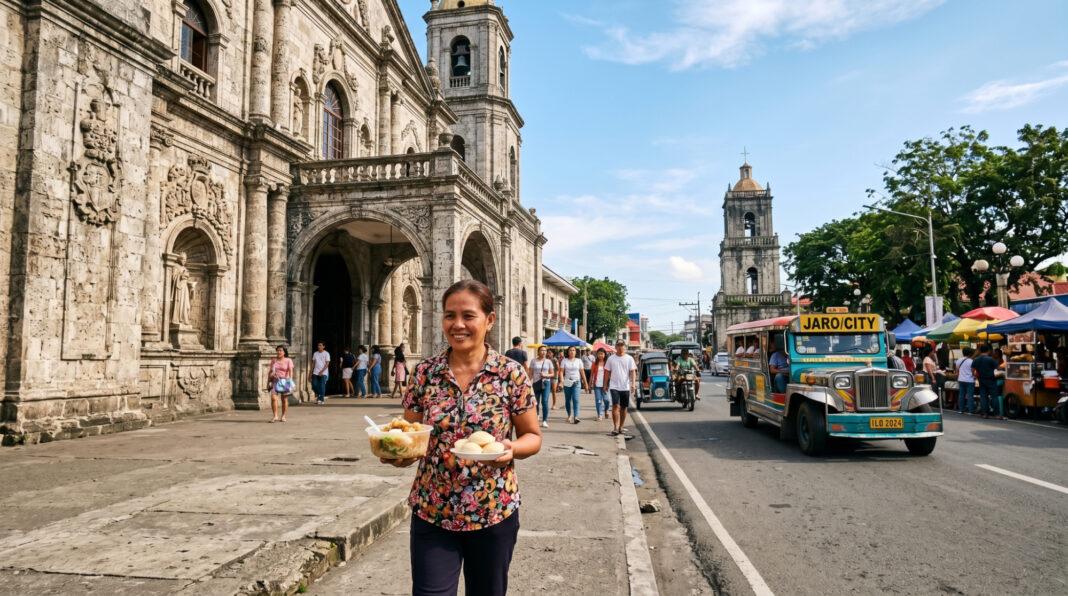
Planning a trip to Western Visayas? This Iloilo travel guide gives you a quick look at the best tourist spots in Iloilo City, must-visit historical places, and the local food you really shouldn’t miss.
Iloilo City—the “City of Love”—is one of those destinations where everything just feels easy and relaxed. As a designated UNESCO Creative City of Gastronomy, it seamlessly blends centuries-old churches and heritage streets with a food scene that people genuinely travel for. It’s also one of the affordable destinations in the Philippines perfect for tipid trips, making it a great choice for travelers who want to experience culture, history, and good food without stretching their budget.
If you’re looking for simple, no-stress things to do in Iloilo City, this comprehensive guide breaks down the highlights so you can explore without overplanning or overthinking your trip.
Quick Answer: What is Iloilo City Known For?
Iloilo City is best known for its well-preserved heritage sites, iconic dishes like La Paz Batchoy and Pancit Molo, and attractions such as Molo Church, Jaro Cathedral, Calle Real, and the National Museum Western Visayas. Most travelers can explore the city’s highlights in two to three days.
- Home to famous historical sites such as Molo Church, Jaro Cathedral, Calle Real, Casa Mariquit, and the National Museum Western Visayas.
- Recognized as a UNESCO Creative City of Gastronomy, making it a top destination for food lovers.
- Best known for local specialties like La Paz Batchoy, Pancit Molo, and Kansi.
- Offers a mix of heritage attractions, cultural experiences, riverside walks, and local markets.
- Features some of the most popular tourist spots in Iloilo City, making it ideal for history buffs, foodies, and first-time travelers.
- Can be comfortably explored in 2 to 3 days, making it perfect for a weekend getaway or a short cultural trip.
What’s Inside
- Top Historical Sites in Iloilo City You Shouldn’t Miss
- Must-Try Local Food in Iloilo City
- The Local Coffee Culture: A Taste of History
- Suggested Things to Do in Iloilo City (Simple Itinerary)
- Practical Travel Tips for First-Time Visitors
- Why Iloilo City Deserves a Spot on Your Travel List
- Frequently Asked Questions About Visiting Iloilo City
Top Historical Sites in Iloilo City You Shouldn’t Miss
One of the strongest reasons travelers come here is the city’s deep historical character. These sites are not just “photo stops”—they tell the story of Iloilo’s colonial past and cultural evolution.
1. Molo Church – The Gothic Feminist Church
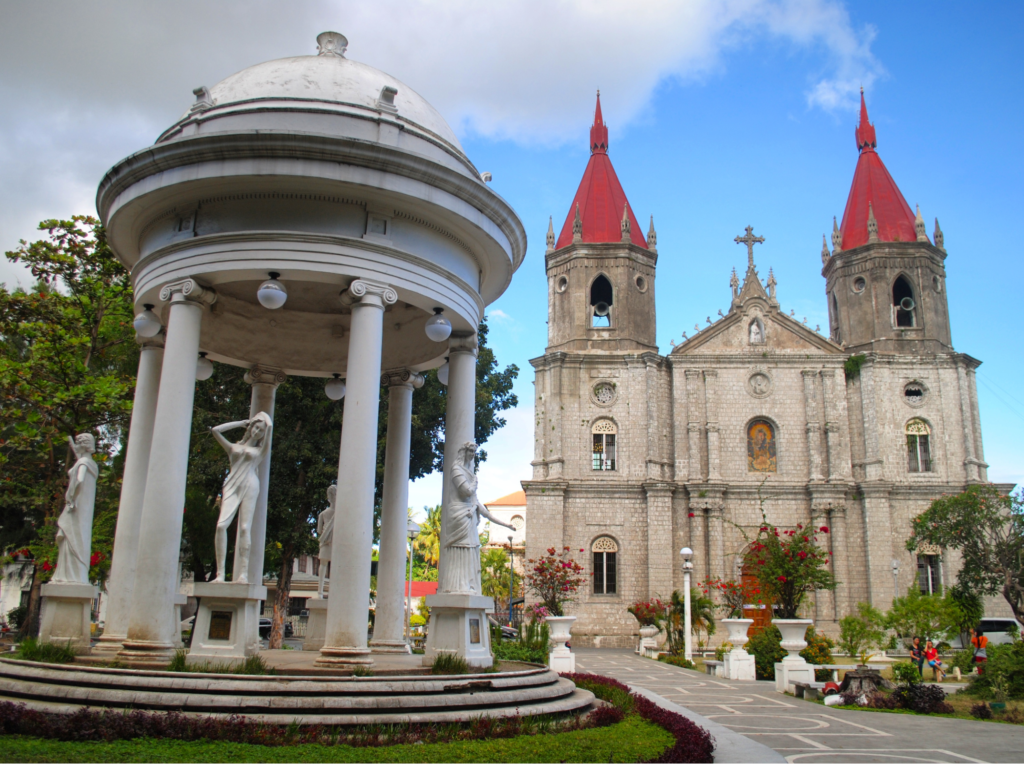
Molo Church is one of the most iconic churches in the region. It’s best known for its striking Gothic-inspired architecture and is widely recognized as the “Women’s Church” or “Feminist Church” because it features images of female saints inside.
Known for:
- Gothic-inspired architecture
- Distinctive red spires
- A rare all-female saint lineup inside the church
This is a must-include in any tourist spots in Iloilo City itinerary, especially if you’re into architecture and history. It’s also very accessible, making it an easy first stop.
Location: San Marcos St, Molo, Iloilo City
2. Jaro Metropolitan Cathedral – The National Shrine of the Lady of the Candles
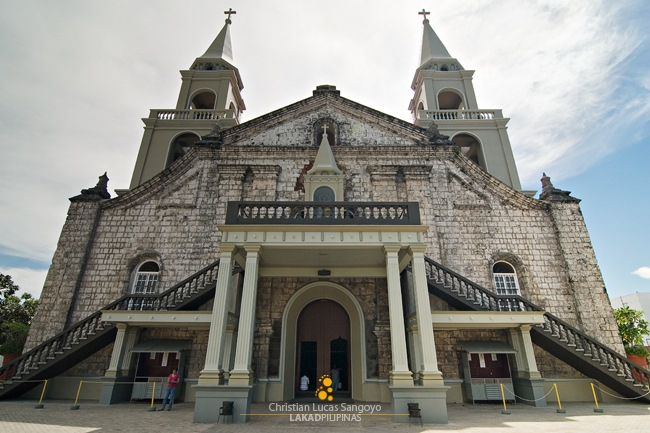
Jaro Cathedral is another historical heavyweight. It’s best known as the home of Our Lady of the Candles, the only Marian image in the Philippines and Asia to be canonically crowned in person by Pope John Paul II, making it one of the country’s most significant pilgrimage sites.
What makes it stand out:
- A bell tower located across the street (not attached to the church)
- Rich religious significance in Western Visayas
- A pilgrimage site for locals and visitors alike
Location: Jaro, Iloilo City
3. Calle Real – The Old Business District
Calle Real is where Iloilo’s colonial-era charm really shines. Once the city’s main commercial district, it’s known for its well-preserved heritage buildings, neoclassical architecture, and old-world atmosphere that offers a glimpse into Iloilo’s prosperous past.
Expect:
- Heritage buildings with neoclassical architecture
- A nostalgic, old-town atmosphere
- A great walking route for photographers and casual explorers
This area is perfect if you want slow-paced things to do in Iloilo City without needing transportation.
Location: J.M. Basa Street, Iloilo City Proper
4. Molo Mansion – A Heritage House Turned Cultural Space
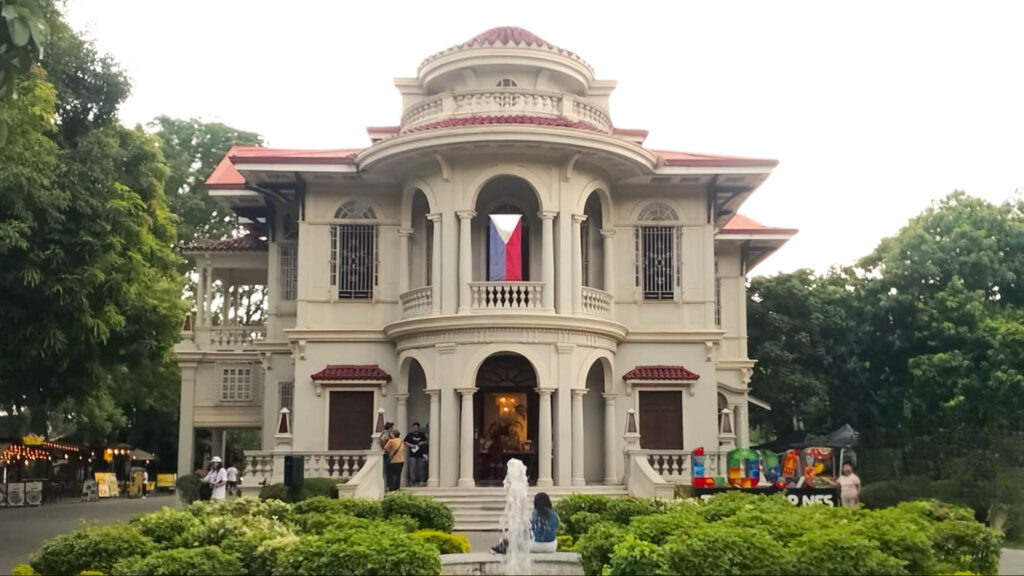
Molo Mansion is a restored ancestral home now used for local exhibits and souvenir shopping.
Why people love it:
- Beautiful Spanish-era design
- Local crafts and delicacies inside
- Aesthetic exterior for quick photo stops
It’s a good break between churches and walking tours.
Location: Yusay-Consing Mansion, 2 Locsin St, Katilingban, Molo, Iloilo City
5. Museo Iloilo – A Quick Cultural Deep Dive
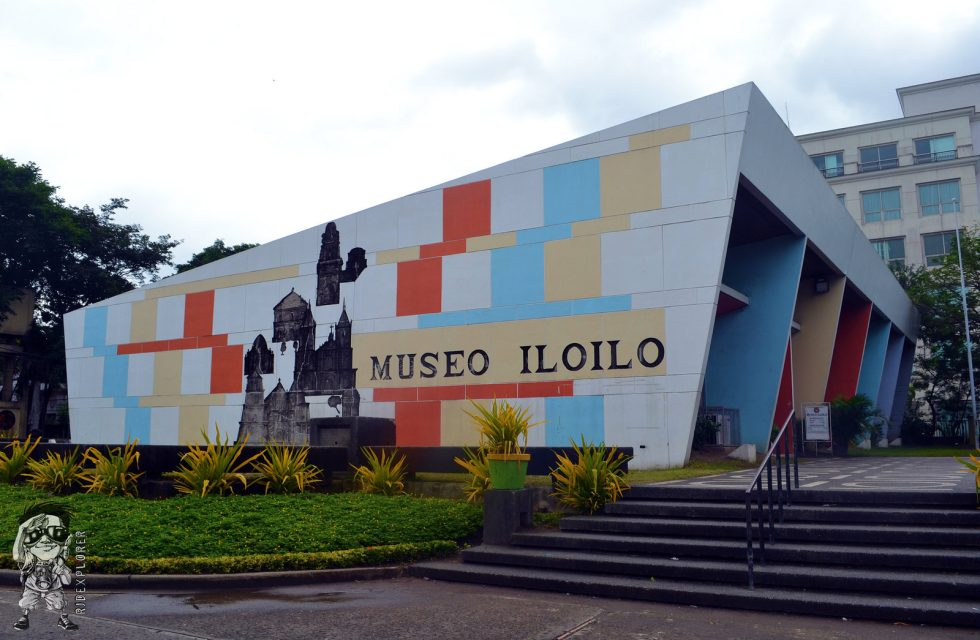
If you still have energy for more history, Museo Iloilo is a compact but informative stop showcasing archaeological finds and cultural artifacts from the region.
It’s ideal for travelers who want context behind the places they’ve been visiting.
Location: Iloilo City Proper, Iloilo City
6. Casa Mariquit – One of Iloilo’s Oldest Surviving Ancestral Homes
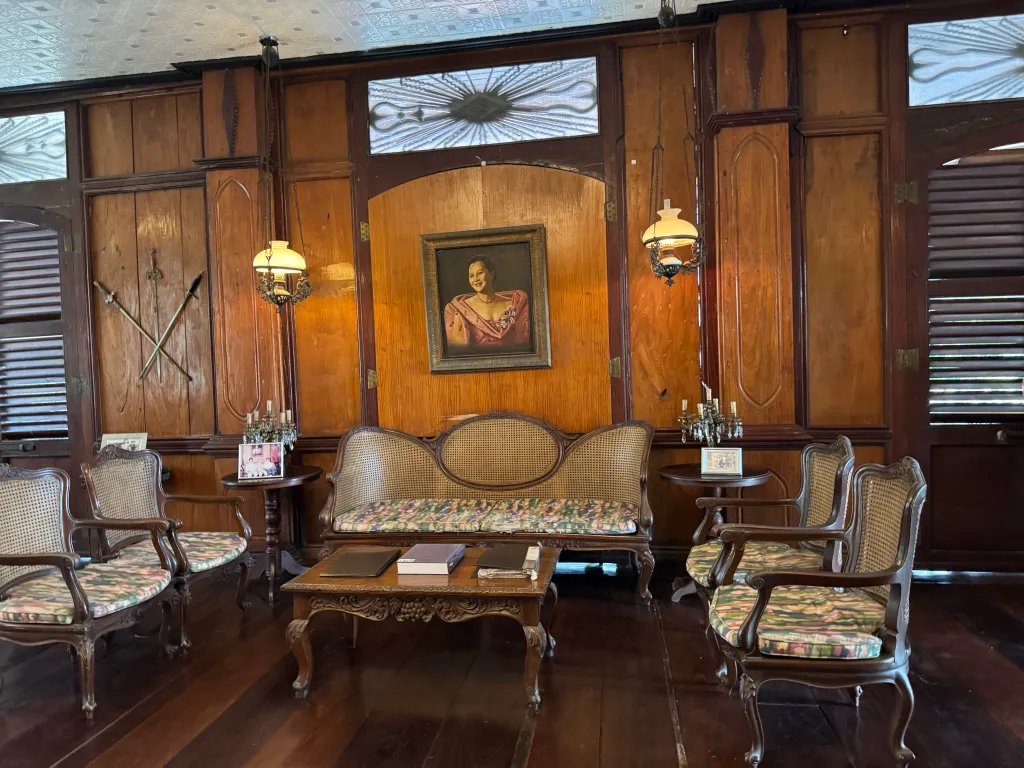
Casa Mariquit is the oldest existing ancestral house in Iloilo, offering a more intimate look at Ilonggo aristocratic life during the Spanish and American periods. The house has been preserved for generations and still carries its original charm and antique details.
Location: Santa Isabel St., Jaro, Iloilo City
7. National Museum Western Visayas – History in One Place
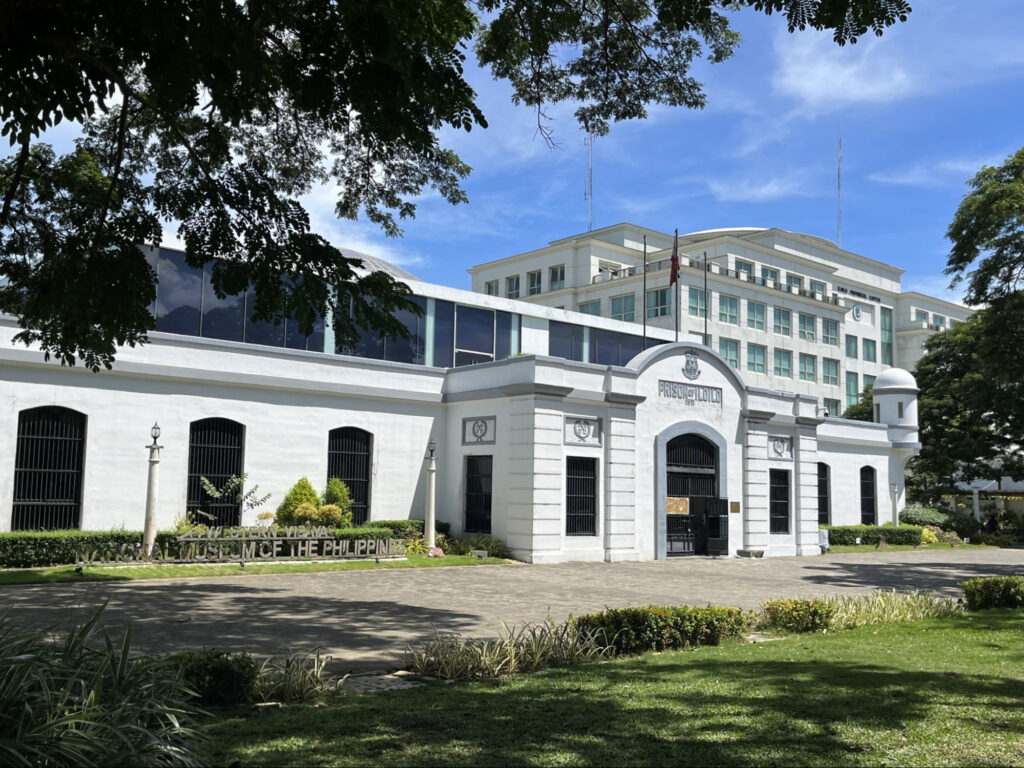
National Museum Western Visayas is perfect if you want a deeper understanding of the region’s history and identity. It features curated exhibits on archaeology, cultural heritage, and Ilonggo life, all in a well-preserved heritage building.
Location: Bonifacio Drive, City Proper (Old Iloilo Provincial Jail)
Must-Try Local Food in Iloilo City
In 2023, Iloilo City was officially recognized as a UNESCO Creative City of Gastronomy. The food culture here is a deeply ingrained way of life, which is why many travelers consider it one of the underrated food destinations in the Philippines. From comforting bowls of La Paz Batchoy to local specialties like Pancit Molo and Kansi, the city offers flavors that leave a lasting impression.
1. La Paz Batchoy
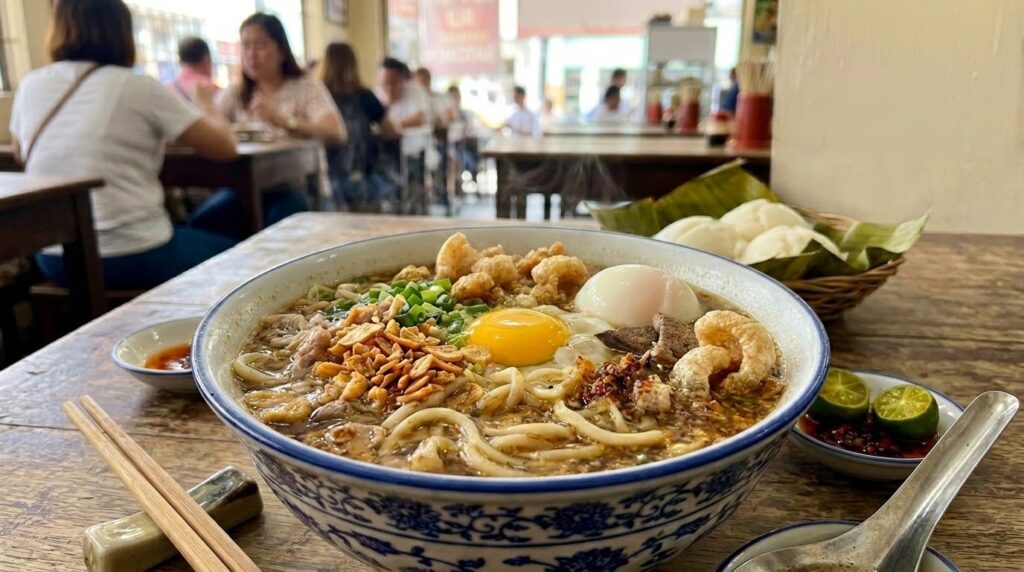
This legendary noodle soup consists of fresh round egg noodles (miki), slow-cooked pork broth, crushed pork cracklings (chicharon), toasted garlic, beef, and pork innards (liver, kidney, and spleen), topped with fresh raw egg and bone marrow (utok).
- Where to try it: Head straight to the La Paz Public Market. Netong’s Original Special La Paz Batchoy lets you eat inside the vibrant market itself. Alternatively, try Ted’s Oldtimer Lapaz Batchoy or Deco’s, which have multiple branches across the city.
2. Pancit Molo
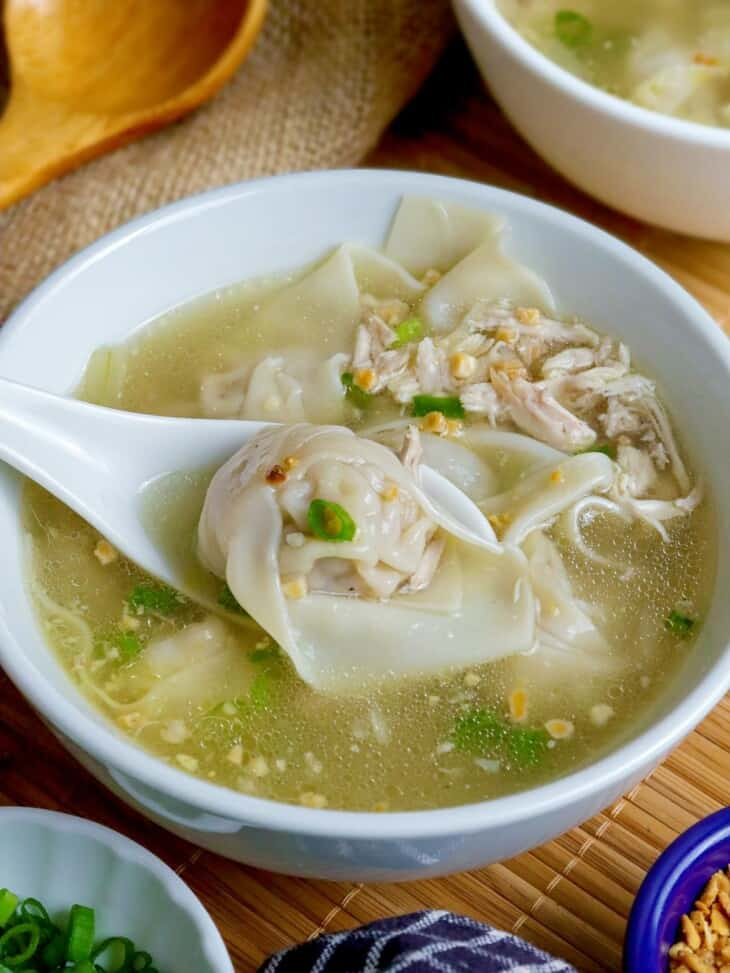
Despite its name, this isn’t a dry stir-fried noodle dish. Pancit Molo is a comforting soup featuring wonton dumplings filled with seasoned minced pork and shrimp, swimming in a rich, clear chicken broth garnished with shredded chicken breast, scallions, and toasted garlic.
- Where to try it: Kap Ising, or local heritage restaurants like Panaderia de Molo.
3. Kansi
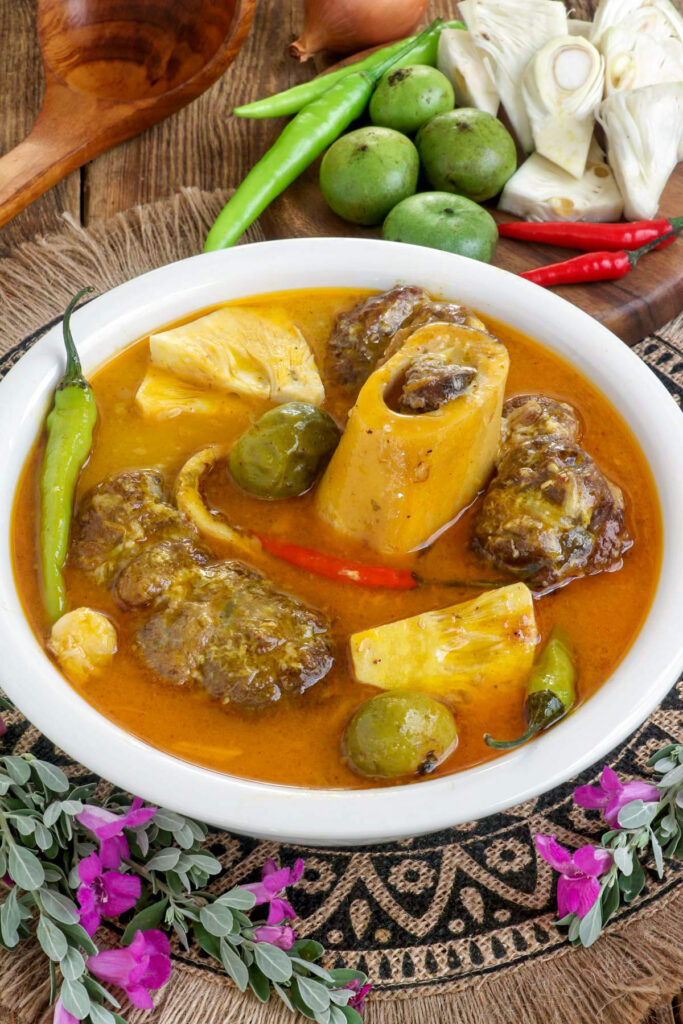
Kansi is an absolute triumph of Ilonggo flavors. Imagine a culinary marriage between sinigang (sour soup) and bulalo (beef shank soup). It features gelatinous beef shanks and bone marrow slow-cooked with lemongrass, fish sauce, and batwan—a sour green fruit native to Western Visayas that gives the broth its distinct, fruity tang.
- Where to try it: Pat-Pat’s Kansi (Jaro)
4. Fresh Seafood at Villa Beach
You cannot leave the coastal city of Iloilo without a seafood feast. Villa Beach is known for beachfront restaurants and seafood dining, especially during sunset hours.
Indulge in cheap, fresh talaba (steamed oysters), baked scallops, and grilled managat (mangrove jack—a prized local white fish) right by the water.
- Where to try it: Breakthrough Restaurant or Tatoy’s Manokan and Resort along the Villa Beach coastline.
The Local Coffee Culture: A Taste of History
Iloilo’s love affair with coffee predates modern espresso bars. To experience how the locals drink it, skip the commercial chains and head straight for a traditional cup.
Madge Cafe
Operating since 1940, Madge Cafe is an institution. This unpretentious, open-air spot serves native coffee brewed the old-fashioned way using a culador—a cloth, sock-like flannel filter that infuses the brew with deep flavor.
Related: Brewed Proudly Pinoy: Best Local Cafes in the Philippines for Unique Coffee and Cozy Vibes
- What to order: Ask for a Media Regular (traditional brewed coffee with milk) or a Puro (strong black coffee). Pair it with ibos (sticky rice wrapped in coconut leaves).
- The Vibe: Look around the walls to see personalized mugs belonging to decades-long regular customers. It is the ultimate spot to wind down right after a hot bowl of La Paz Batchoy.
- Location: Inside the La Paz Public Market (an upscale branch is also located at Atria Park District)
Other Places to Visit in Iloilo City
If you still have extra time after exploring the main historical sites and food spots, there are more tourist spots in Iloilo City worth adding to your itinerary. These places show a different side of the city—more relaxed, modern, and scenic.
Iloilo River Esplanade
Iloilo River Esplanade is considered to be the longest linear park in the Philippines, connecting different districts of the city. It stands out as a prime example of sustainable urban development.
- Why visit: It is the premier recreational space for both locals and travelers. The beautifully landscaped pathways are fully pedestrianized, making it incredibly safe for strolling.
- What to do: Head here around 5:00 PM to catch a sweeping sunset over the water, rent a local bicycle, or sit back with a cold drink at one of the cafes lining the banks.
- Location: Mandurriao District, Iloilo City center.
Festive Walk Parade & Iloilo Business Park
Located within Megaworld’s massive master-planned township, this area represents the vibrant, modern heartbeat of Iloilo City.
- Why visit: It offers a sharp, upscale contrast to the quiet colonial charm of Calle Real. The open-air strip is beautifully designed with green features and serves as the epicenter of modern Ilonggo nightlife and entertainment.
- What to do: Explore the al fresco dining strips, catch live local acoustic bands on weekends, or browse the Festive Walk Mall.
- Location: Mandurriao, Iloilo City.
Worth the Drive: Garin Farm (San Joaquin)
While technically located outside the city center, GarinFarm is a highly searched, iconic destination that many travelers deliberately add to their Iloilo itineraries.
- Why visit: It is a unique 15-hectare functional agricultural resort that seamlessly combines farming, leisure activities, and spiritual pilgrimage. It is most famous for its Pilgrimage Hill, featuring a 456-step climb that leads to a blindingly all-white representation of “heaven.”
- What to do: Experience the agricultural setups, try ziplining, paddle boating, and climb to the angelic summit for panoramic views.
- Location: San Joaquin, Iloilo (Approximately 1.5 to 2 hours away from the city proper via a southern antique jeepney or private vehicle).
Suggested Things to Do in Iloilo City (Simple Itinerary)
If you’re visiting for 1–3 days, here’s a simple flow of things to do in Iloilo City without rushing:
Day 1: Heritage Walk
- Start at Calle Real
- Visit Jaro Cathedral
- Explore Museo Iloilo
Day 2: Church & Culture Tour
- Molo Church
- Molo Mansion
- Local café hopping nearby
Day 3: Food Trip Day
- Eat La Paz Batchoy in its birthplace
- Try Pancit Molo
- Explore local markets for pasalubong
This mix keeps your trip balanced between sightseeing and food exploration.
Practical Travel Tips for First-Time Visitors
- Master the Jeepney Routes: Iloilo City has a modernised jeepney route system. Download a local route map or look at the side of the jeepneys, which explicitly list major landmarks like “Jaro Plaza” or “Molo.” Standard base fare is around ₱15.
- When to Visit: The dry months of November to May offer the best weather for exploring. If you love grand cultural spectacles, book your trip for the fourth weekend of January to witness the explosive energy of the Dinagyang Festival.
- Bring Cash: While modern establishments accept cards and GCash, local public markets, traditional batchoy stalls, and tricycle drivers operate strictly on cash.
- Respect Active Places of Worship: Both Molo and Jaro churches host active daily masses. Ensure your shoulders and knees are covered when entering, and keep voices to a respectful whisper.
Why Iloilo City Deserves a Spot on Your Travel List
If you’re looking for a destination that combines history, culture, and great food, Iloilo City is hard to beat. From centuries-old churches and heritage houses to scenic public spaces and flavorful local dishes, there’s something here for every type of traveler.
Whether you’re exploring the city’s historical landmarks, sampling Ilonggo favorites like La Paz Batchoy and Kansi, or simply enjoying a leisurely walk along the river, you’ll find that the experience feels authentic and unhurried. It’s the kind of place that lets you slow down, appreciate the details, and connect with the local culture.
With plenty of tourist spots in Iloilo City, a rich culinary scene, and a welcoming atmosphere, it’s easy to see why more travelers are adding it to their itineraries. Hopefully, this Iloilo City travel guide helps you plan a memorable trip and discover what makes this destination one of the gems of Western Visayas.
Frequently Asked Questions About Visiting Iloilo City
What is Iloilo City known for?
Iloilo City is known as the “City of Love.” It is famous for its remarkably preserved Spanish and American colonial architecture, its network of scenic riverside esplanades, and its legendary culinary contributions like La Paz Batchoy, which earned it a title as a UNESCO Creative City of Gastronomy.
What are the top tourist spots in Iloilo City?
The definitive top spots include Molo Church, Jaro Cathedral, the historical business district of Calle Real, the Molo Mansion, the National Museum Western Visayas, and the bustling Iloilo River Esplanade.
What food should I try in Iloilo City?
You must try authentic La Paz Batchoy (at the La Paz Public Market), Pancit Molo (dumpling soup), Kansi (sour beef bone marrow soup), fresh Villa Beach steamed oysters (talaba), and Roberto’s legendary Queen Siopao.
Is Iloilo City safe for solo travelers?
Yes, Iloilo City is consistently ranked as one of the safest, most livable, and tourist-friendly cities in the Philippines. The locals (Ilonggos) are widely celebrated for their gentle, hospitable, and warm demeanor.
How many days should you stay in Iloilo?
A 2 to 3-day stay is perfect for covering the city’s primary historical, cultural, and culinary highlights. If you intend to use the city as a base to explore neighboring Guimaras Island (just a 15-minute boat ride away) or the Gigantes Islands, budget 4 to 5 days.
What is the best time to visit Iloilo City?
The best time to visit Iloilo City is from January to May, during the dry season when the weather is ideal for sightseeing, food trips, and exploring tourist spots.