
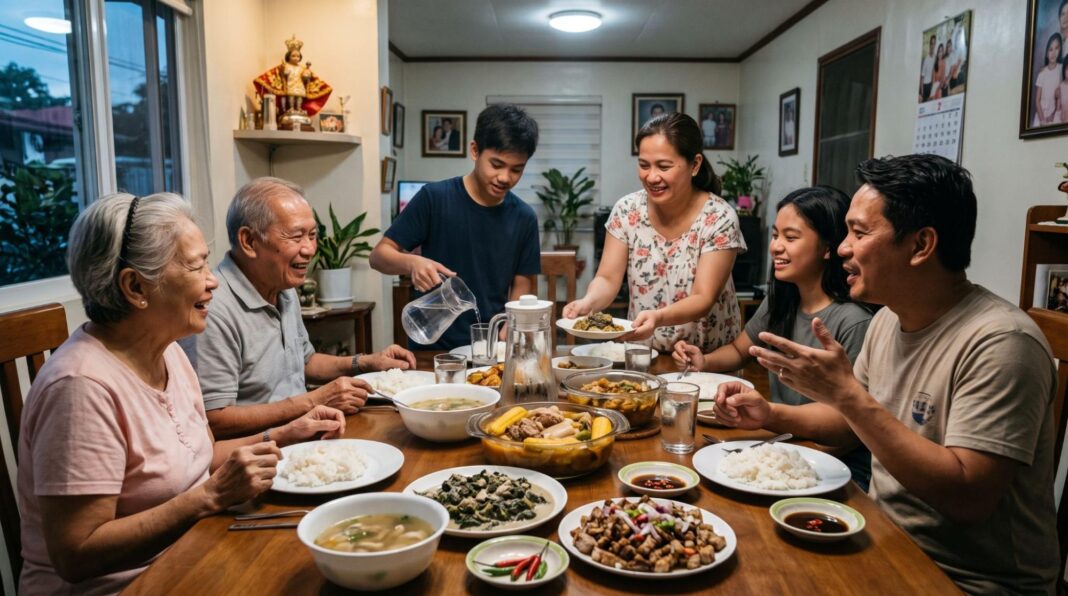
Filipino cuisine is known for favorites like adobo, sinigang, and lechon. However, there is so much more to Filipino food than these familiar dishes. Across the Philippines, home cooks and local communities prepare lesser-known specialties that showcase regional ingredients, cooking traditions, and flavors worth celebrating.
These underrated Filipino dishes deserve more attention for their unique tastes and cultural significance. Some are everyday comfort foods, while others are closely associated with particular provinces or local celebrations. If you’re looking for Filipino dishes to try beyond the usual favorites, these regional specialties are a great place to start.
Key Takeaways: What Makes These Underrated Filipino Dishes Worth Trying
- Distinctive flavors set these dishes apart. From kansi’s sour broth to the smoky taste of piyanggang manok, each offers something beyond familiar Filipino favorites.
- Local ingredients give them a unique character. Laing uses dried taro leaves, inubaran features the inner core of a banana trunk, and ginataang santol combines santol fruit with creamy coconut milk.
- They showcase regional culinary traditions. Dishes like Pancit Cabagan, dinakdakan, piaparan, and tiyula itum reflect the food cultures of different Philippine communities.
- Some offer an introduction to less familiar ingredients and preparations. Tamilok, sinanglaw, and dinakdakan may appeal to adventurous eaters interested in trying something different.
- They help keep local food traditions alive. Trying these specialties supports greater appreciation for the recipes, ingredients, and cooking practices passed down through generations.
- You can discover them through local food spots. Regional restaurants, markets, and community eateries are good places to find these dishes and experience Filipino cuisine beyond its best-known staples.
Table of Contents
- Underrated Filipino Dishes Worth Trying
- Why Lesser-Known Filipino Dishes Deserve More Attention
- How to Explore More Filipino Dishes
- Give These Filipino Food Finds a Try
- Frequently Asked Questions About Underrated Filipino Dishes
Underrated Filipino Dishes Worth Trying
From hearty meat dishes to vegetable-based favorites and regional delicacies, these traditional Filipino dishes offer a closer look at the country’s diverse food culture.
1. Kansi
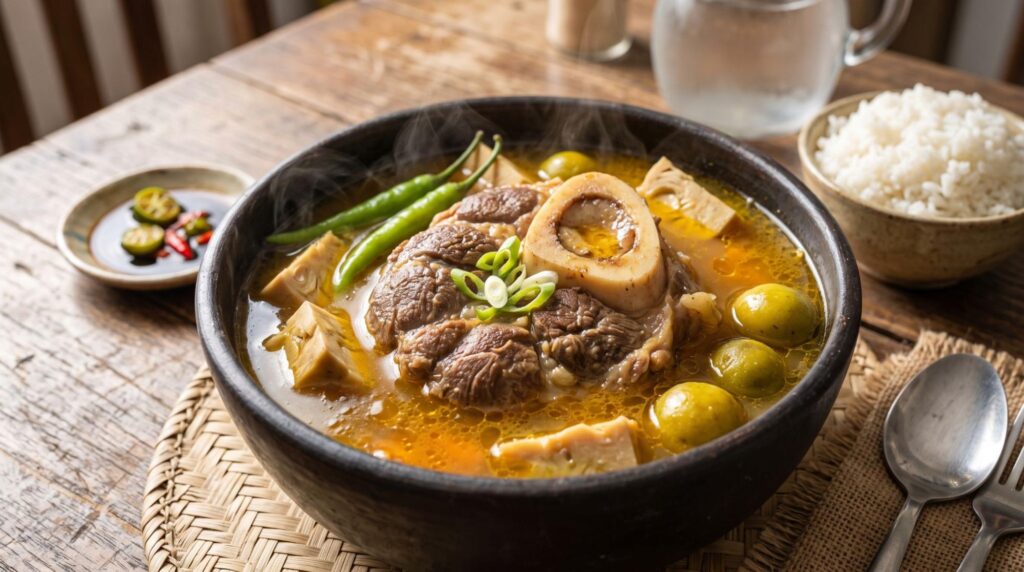
Origin: Iloilo and Negros Occidental, particularly Bacolod
Kansi is a comforting Ilonggo and Negrense soup made with beef shank and bone marrow. It combines the rich, savory taste of beef broth with a distinct sourness traditionally provided by batuan, a fruit commonly used in parts of Western Visayas.
The dish is sometimes compared to bulalo because both feature beef shank and bone marrow. However, kansi stands out because of its sour broth, which gives it a flavor closer to other Filipino sour soups.
A bowl of kansi is especially satisfying on a rainy day or whenever you’re craving something warm and hearty. Its distinctive combination of savory beef and tangy broth makes it a regional specialty worth seeking out.
Related: Top Things to Do in Bacolod City: Food, Festivals, and Culture
2. Laing
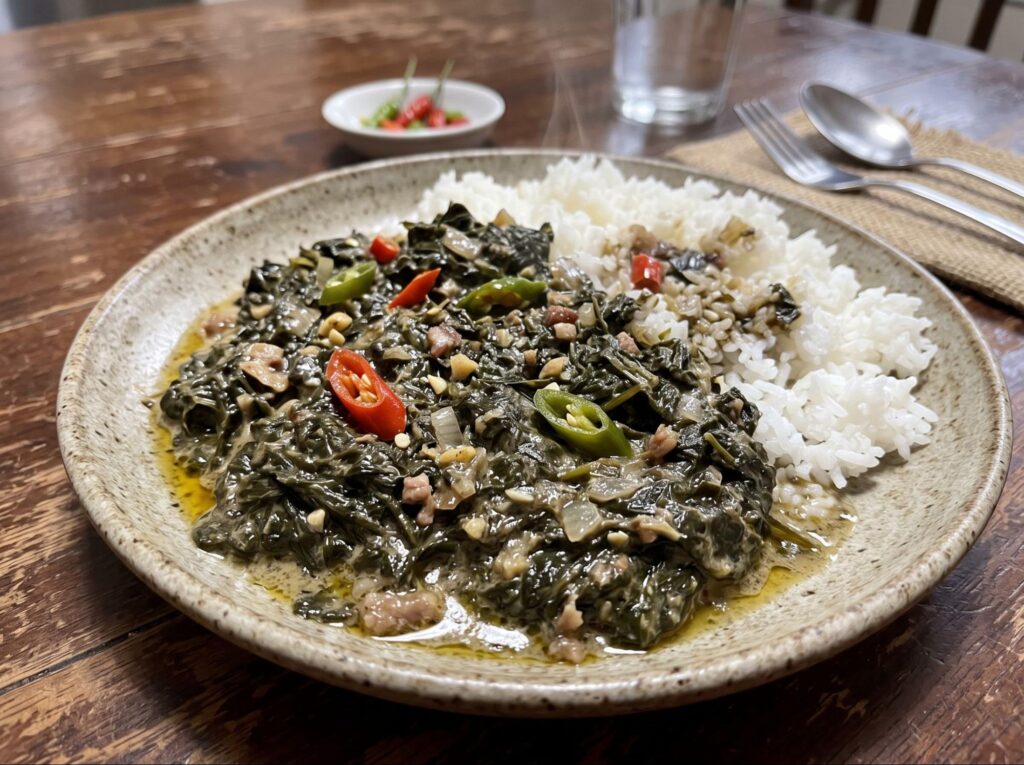
Origin: Bicol Region
Laing is a traditional Bicolano dish made with dried taro leaves slowly simmered in coconut milk, chilies, garlic, onions, and other seasonings. Some recipes include shrimp paste or dried seafood for a deeper savory flavor, while others reflect family traditions. The slow cooking allows the leaves to absorb the rich coconut milk and spices, resulting in a creamy, flavorful dish with a satisfying kick of heat.
Often served with steamed rice, laing pairs well with grilled fish or meat. While it is a familiar favorite in Bicol, it is worth trying for anyone interested in exploring regional Filipino cuisine. Its combination of local ingredients and bold flavors highlights the variety of dishes found across the Philippines.
3. Pinangat na Isda
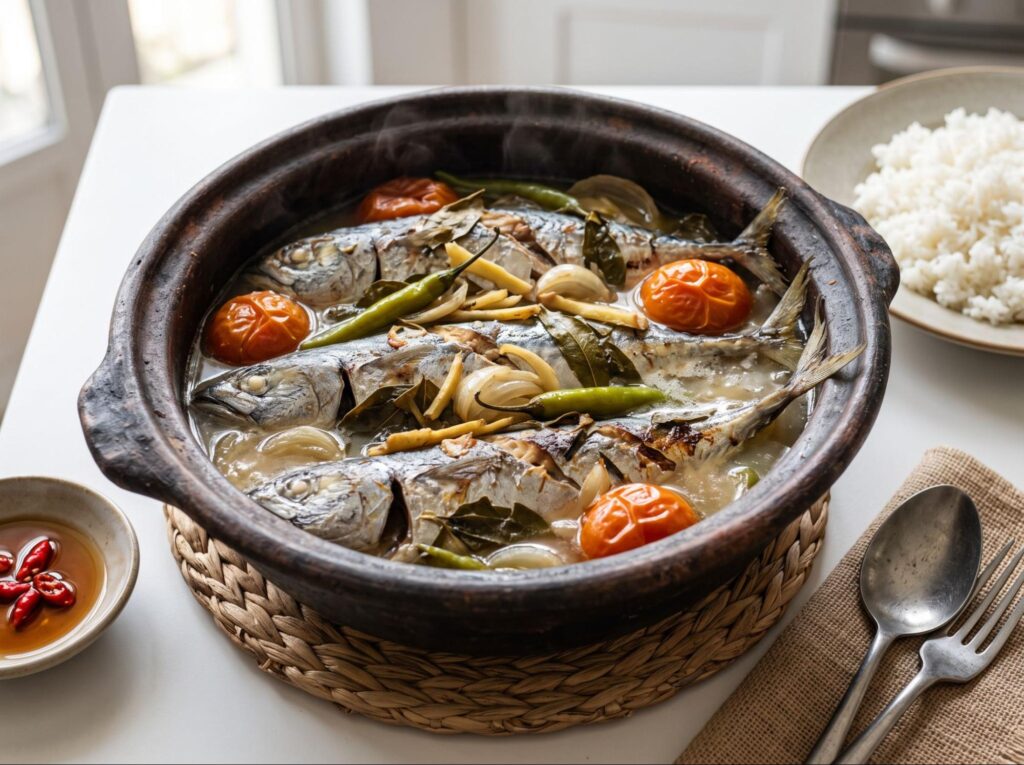
Origin: Various coastal communities in the Philippines
Pinangat na isda is a traditional fish dish prepared in different ways across the country. Depending on the region, the fish may be cooked with tomatoes, onions, ginger, and other aromatics, often with a souring ingredient such as calamansi or tamarind.
The name and preparation can vary by locality. In parts of Southern Luzon, pinangat may refer to a dish cooked with fish and tomatoes, while Bicolano pinangat is also associated with taro leaves, coconut milk, and chilies.
This variety makes pinangat an interesting example of how Filipino cooking reflects local ingredients and preferences. It is a good option for anyone looking for home-style Filipino food that balances fresh ingredients with comforting flavors.
4. Pancit Cabagan
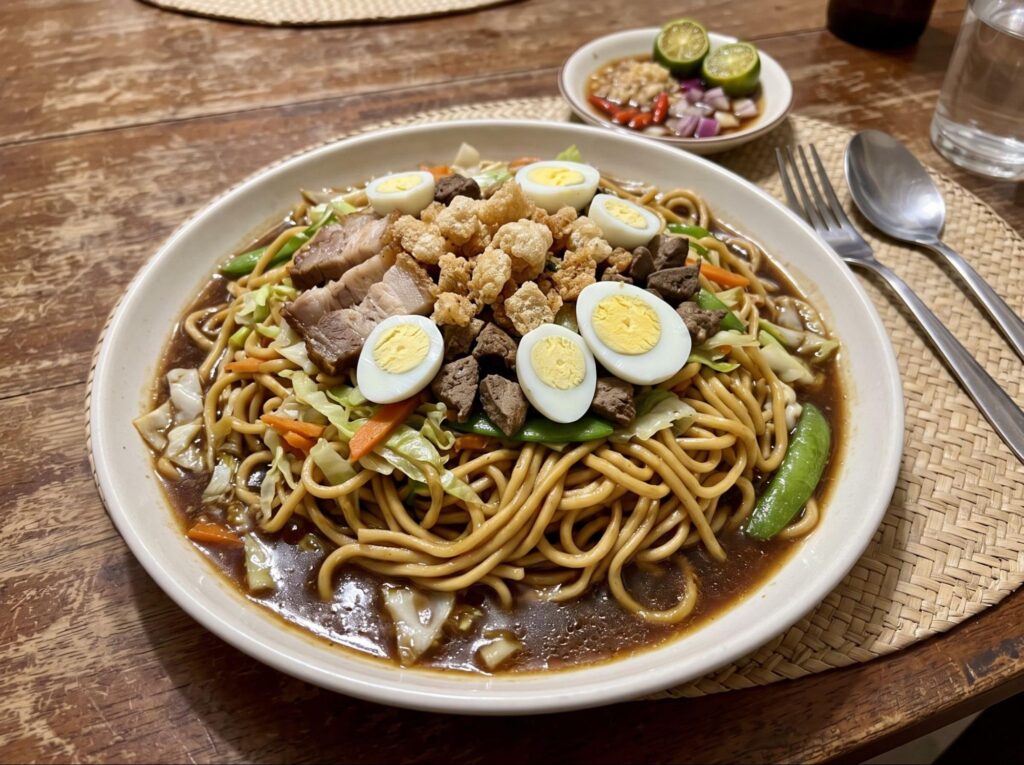
Origin: Cabagan, Isabela
Pancit is a staple at Filipino birthdays, celebrations, and family gatherings. While pancit bihon and pancit canton are widely known, Pancit Cabagan offers a different take on this familiar noodle dish.
This regional specialty typically features thick, fresh egg noodles served with a savory sauce, meat, vegetables, and toppings that may include a boiled egg. Some versions are served with a generous amount of sauce, while others have a thicker consistency.
Pancit Cabagan is a great example of how a familiar Filipino food can take on a distinct local identity. Its satisfying noodles and hearty toppings make it worth adding to your list of regional Filipino dishes to try.
5. Piaparan
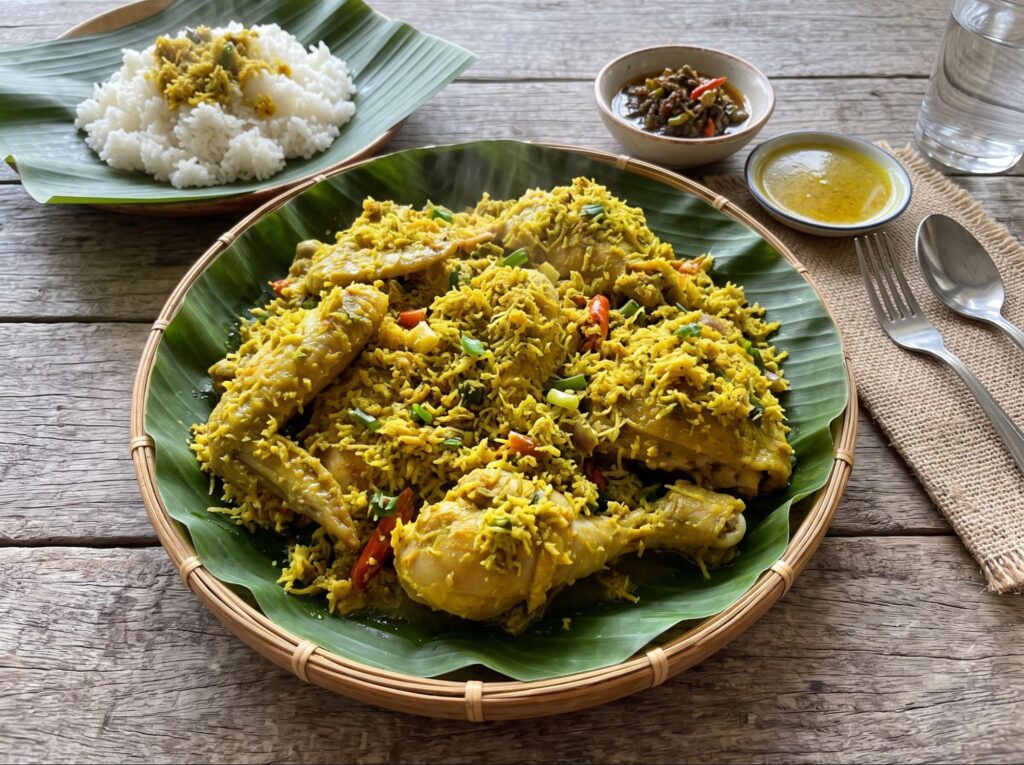
Origin: Maranao communities in Lanao del Sur and Lanao del Norte
Piaparan is a flavorful Maranao dish that highlights the richness of Mindanao’s culinary traditions. It commonly features chicken or other protein cooked with coconut, turmeric, spices, and palapa, a Maranao condiment made with ingredients such as scallions and chilies.
The result is a fragrant, savory dish with a distinctive combination of coconut richness, aromatic spices, and heat. Ingredients and preparation can differ among households, reflecting personal preferences and family traditions.
Piaparan deserves more recognition because it offers a glimpse into the diverse food culture of the Philippines’ Muslim communities. It is also a reminder that Filipino cuisine extends well beyond the dishes most commonly featured in mainstream food lists.
6. Inubaran
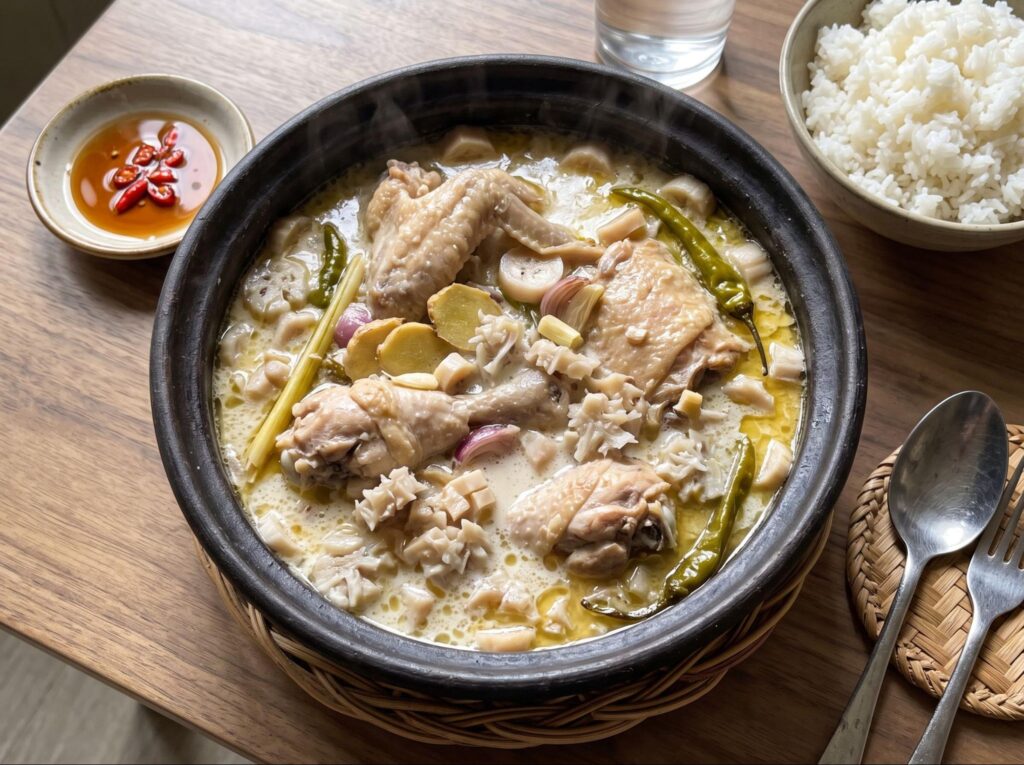
Origin: Aklanon and other Western Visayan food traditions
Inubaran is a traditional dish made with ubad, the tender inner core of a banana trunk. It is often cooked with chicken and coconut milk, creating a creamy, savory dish with a distinctive ingredient that may be unfamiliar to many diners.
Preparing ubad requires some care, but it has long been used in local cooking. Depending on the recipe, the dish may also include aromatics and other ingredients that complement its mild flavor.
Inubaran is worth trying if you enjoy dishes that make creative use of local produce. It also highlights how Filipino home cooking turns ingredients readily available in the community into satisfying meals.
7. Piyanggang Manok
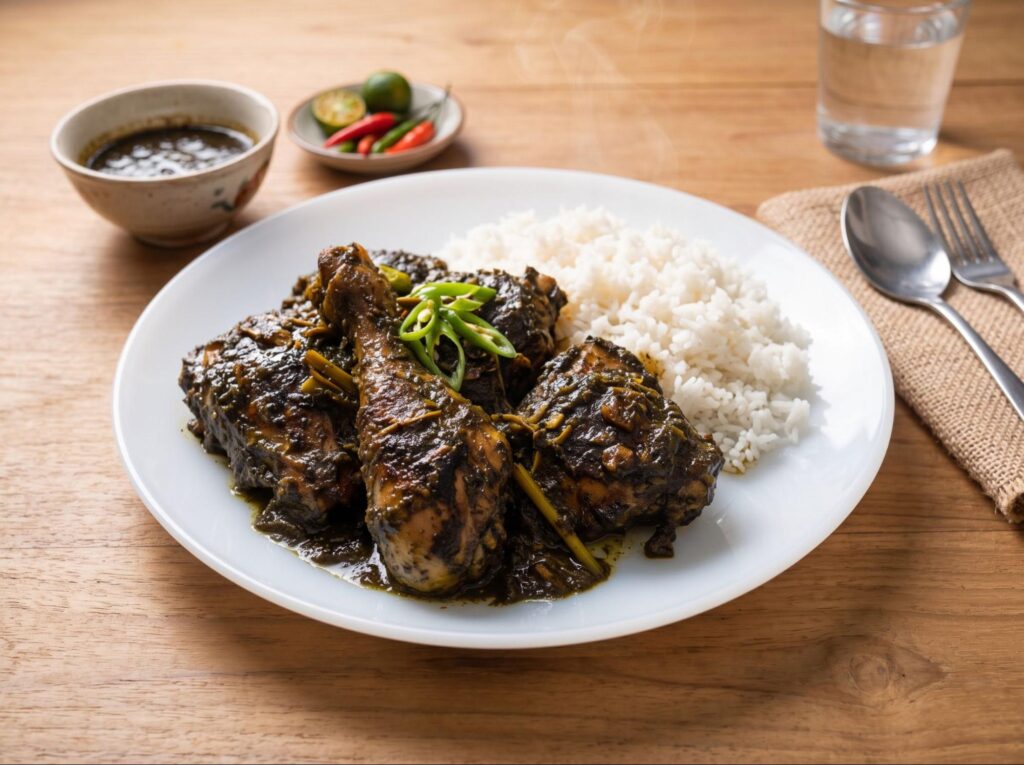
Origin: Tausug communities in Sulu
Piyanggang manok is a traditional Tausug chicken dish known for its dark appearance and smoky, savory flavor. Its characteristic color comes from burnt coconut, which is combined with spices and other ingredients to form a flavorful mixture for the chicken.
The preparation brings together coconut, aromatics, and seasonings to create a dish that tastes different from more familiar Filipino chicken recipes. Despite its dark color, piyanggang manok is not simply a novelty. It reflects a cooking tradition rooted in Tausug food culture.
For food lovers who want to explore dishes from Mindanao, piyanggang manok is an excellent starting point. Its distinctive preparation and bold flavors make it one of the traditional Filipino dishes deserving wider recognition.
8. Dinakdakan
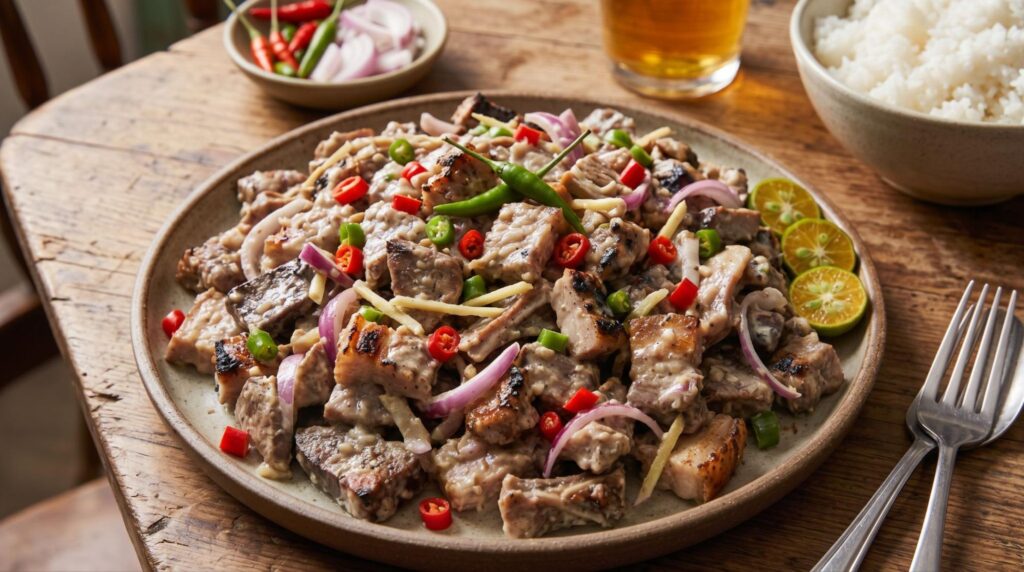
Origin: Ilocos Region
Dinakdakan is an Ilocano dish commonly prepared with grilled pork parts, onions, chilies, and a creamy dressing. Traditional versions may use grilled pig’s brain to create the dressing, while other recipes use alternatives such as mayonnaise.
The meat is grilled before being chopped and mixed with the other ingredients. This gives the dish its smoky flavor, while the onions and chilies add sharpness and heat.
Dinakdakan is often enjoyed as a pulutan, or food served alongside drinks, but it can also be part of a larger Filipino meal. Its strong flavors and distinctive texture make it a memorable regional specialty for adventurous eaters.
Related: Ilocos Norte Travel Guide: Must-See Spots for Your Bucket List
9. Sinanglaw
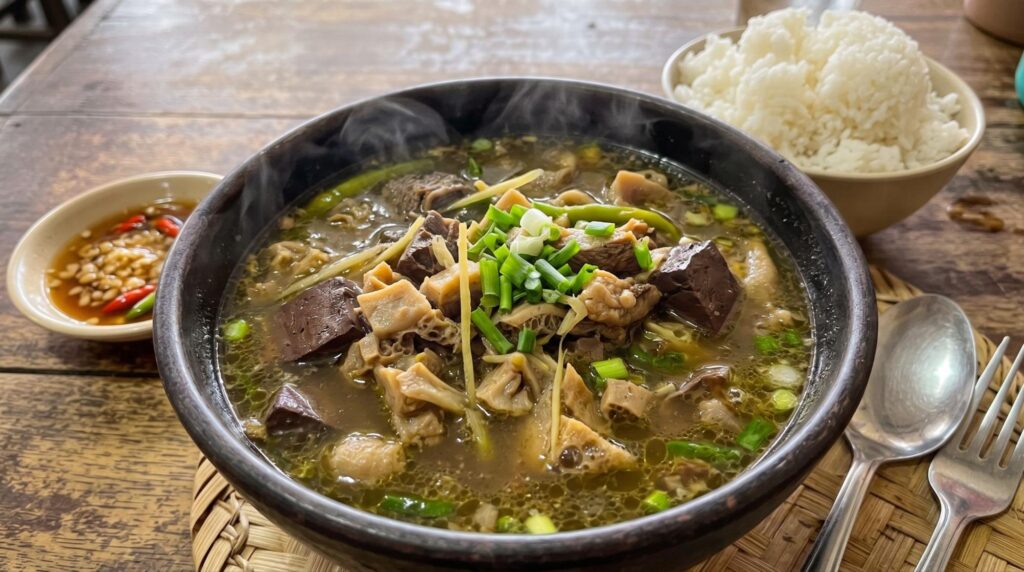
Origin: Ilocos Region
Sinanglaw is a traditional Ilocano beef soup that often includes beef offal and a broth seasoned with ginger, onions, and other aromatics. Some versions use bile to give the soup its characteristic bitterness.
Unlike richer, creamier soups, sinanglaw has a distinctive savory flavor with a balance of spice and bitterness. The exact ingredients and preparation vary, so the experience can differ from one local eatery to another.
This dish reflects the Ilocano tradition of making flavorful meals from different cuts of meat. If you enjoy exploring regional specialties, sinanglaw offers a taste of Northern Luzon’s food culture beyond the better-known dishes.
10. Tamilok
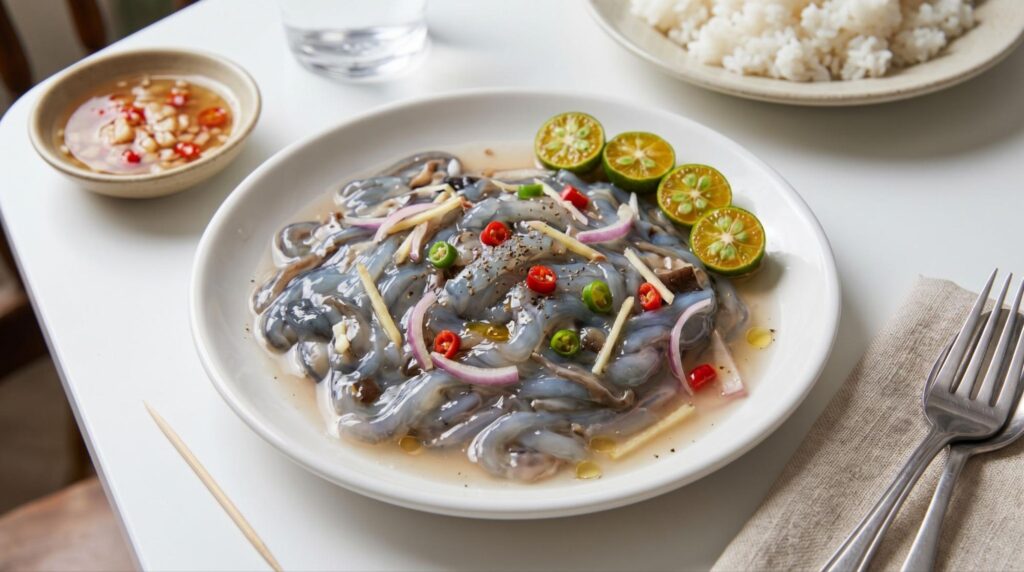
Origin: Palawan and other coastal or mangrove areas
Tamilok is a wood-boring mollusk commonly found in mangrove environments. Despite its nickname as a woodworm, it is not a worm. It is traditionally eaten raw with vinegar and seasonings, although preparation and serving practices vary.
For first-time visitors, tamilok can be one of the more surprising local foods to encounter in Palawan. Its soft texture and briny taste make it different from the seafood dishes many people are accustomed to eating.
Tamilok is also associated with the coastal environments where it is harvested, connecting local food traditions with the natural resources of the area. Anyone interested in trying it should choose a reputable provider that follows safe sourcing and handling practices.
Related: Weird But Delicious: 11 Exotic Filipino Dishes to Try for Adventurous Eaters
11. Gising-Gising
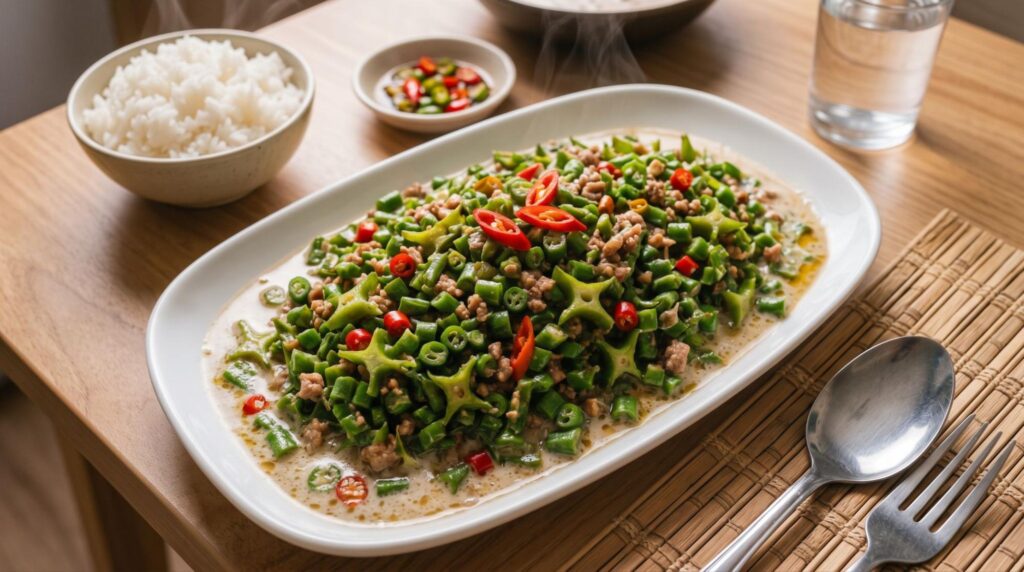
Origin: Commonly associated with the Philippines, particularly Central Luzon
Gising-gising is a spicy Filipino vegetable dish made with green beans or winged beans, coconut milk, chilies, garlic, onion, and bagoong. Some versions include ground pork or shrimp for added flavor. Its name translates to “wake up, wake up,” referring to the dish’s signature spicy kick.
Often served with steamed rice, gising-gising combines creamy coconut milk with savory seasonings and heat from the chilies. Although it shares ingredients with other Filipino coconut-based dishes, its bold flavors give it a distinct character. This traditional favorite is worth trying for anyone exploring underrated Filipino dishes beyond familiar staples.
12. Tiyula Itum (Tausug Black Soup)
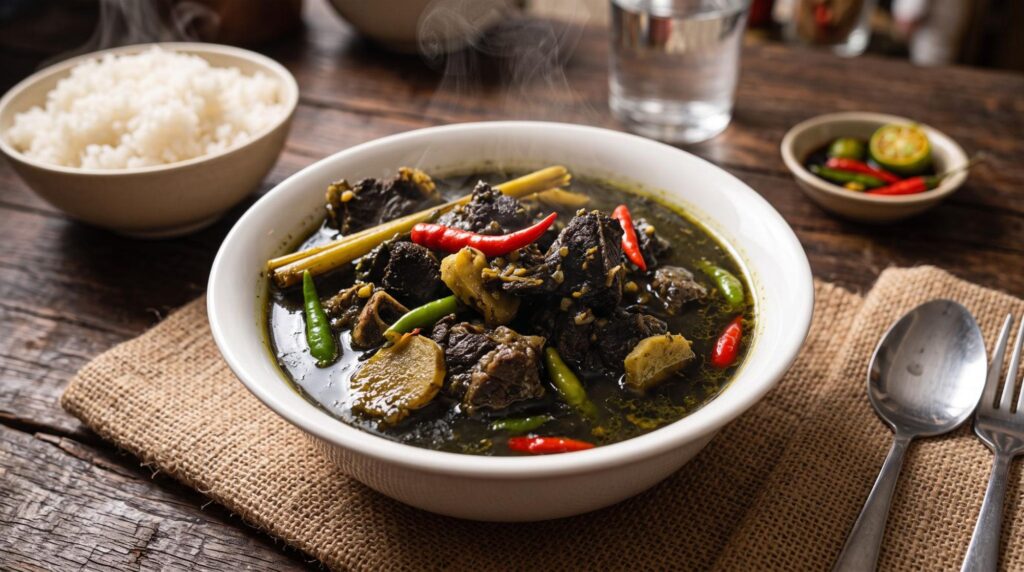
Origin: Tausug communities in the Sulu Archipelago
Tiyula itum, also known as Tausug black soup, is a traditional Tausug dish known for its dark broth and rich, savory flavor. It is typically made with beef or goat meat, ginger, garlic, onions, spices, and burnt coconut, which gives the soup its distinctive black color. The coconut adds a smoky depth, while slow cooking allows the meat to become tender and absorb the aromatic seasonings.
Beyond its unique appearance and flavor, tiyula itum holds cultural significance in Tausug cuisine and is often served during special occasions and gatherings. This regional specialty offers a glimpse into the culinary traditions of the Sulu Archipelago and highlights the diversity of Filipino food. For anyone looking to explore lesser-known Filipino dishes, tiyula itum is worth trying for its distinctive preparation and cultural roots.
Related: Zamboanga City Travel Guide: Don’t Miss These Amazing Spots
13. Ginataang Santol
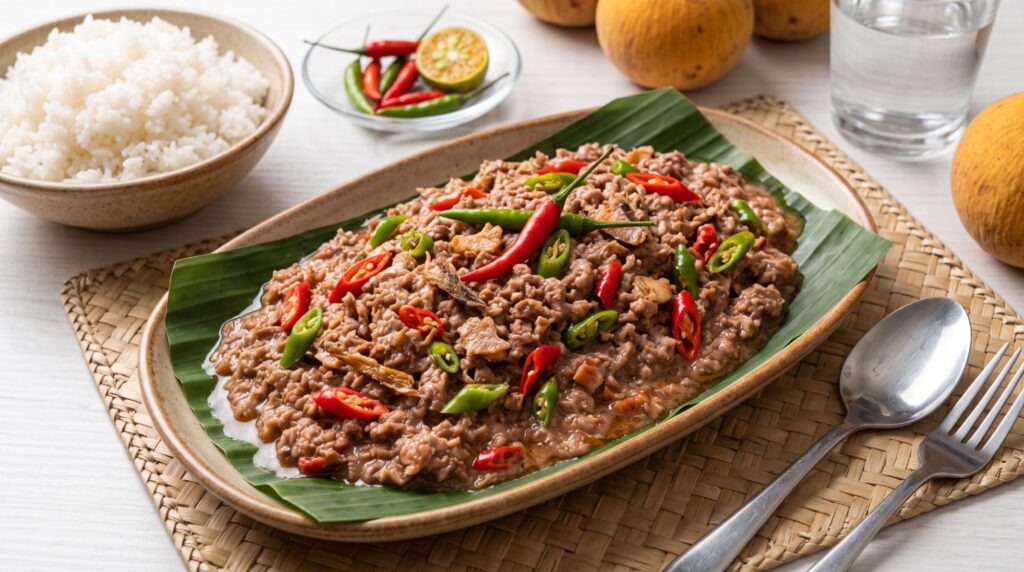
Origin: Bicol Region and other parts of the Philippines
A unique way to enjoy santol is to cook it in coconut milk with aromatics and seasonings. This traditional Filipino dish, known as ginataang santol, may include chilies, shrimp paste, dried fish, or pork for added flavor. The fruit provides a distinctive sourness and mild bitterness, while the coconut milk adds a creamy texture that balances the savory ingredients.
The dish is associated with Bicolano cooking, where coconut milk and chili peppers feature prominently in many recipes, although preparations vary across households and regions. Ginataang santol showcases how Filipino cuisine transforms local fruits into flavorful savory meals. For anyone exploring lesser-known Filipino dishes, this specialty is worth trying, especially when served with steamed rice.
Why Lesser-Known Filipino Dishes Deserve More Attention
Filipino food is often represented by a handful of nationally recognized favorites. While those dishes are worth celebrating, focusing only on them can leave out the culinary traditions that make each region distinctive.
They showcase the Philippines’ regional diversity
The Philippines has a wide range of local ingredients, cooking techniques, and food traditions. Coconut-based dishes are common in some areas, while others are known for sour soups, grilled specialties, or recipes that use locally available vegetables and seafood.
Trying regional Filipino dishes helps diners appreciate how geography, culture, and available ingredients shape local cuisine.
They help preserve food traditions
Many traditional recipes are passed down within families and communities. Giving these dishes more visibility can encourage younger generations and curious diners to take an interest in the cooking methods, ingredients, and stories behind them.
Food writers, local restaurants, and community-based food businesses can also help share these traditions with wider audiences.
They support local food businesses
Looking for lesser-known Filipino dishes can take you beyond familiar restaurant chains and into local eateries, markets, and community food spots. These places may offer regional specialties that are difficult to find elsewhere.
When traveling, consider asking residents where they eat local favorites. You may discover a dish that rarely appears in mainstream travel guides while supporting businesses that keep local food traditions alive.
Related: Support Local: 4 Reasons to Love Filipino-Made Products
How to Explore More Filipino Dishes
You do not have to travel across the entire country to experience more of its cuisine. Start with these simple steps:
- Try regional restaurants. Look for eateries specializing in Ilocano, Ilonggo, Bicolano, Maranao, Tausug, or other regional cooking traditions.
- Ask about local specialties. When visiting a new province, ask residents or restaurant staff which dishes are associated with the area.
- Visit local markets. Markets can introduce you to regional ingredients, snacks, and preparations that may be unfamiliar.
- Learn the story behind each dish. Understanding a dish’s ingredients, history, and cultural significance makes the experience more meaningful.
- Keep an open mind. Some dishes use unfamiliar ingredients or have stronger flavors than you might expect. Start with what interests you and explore at your own pace.
If you enjoy planning trips around food, pair your culinary discoveries with guides to underrated destinations in the Philippines. Exploring lesser-known places can introduce you to local dishes and food traditions that deserve a wider audience.
Give These Filipino Food Finds a Try
The best way to appreciate Filipino cuisine is to look beyond the familiar and make room for dishes from different regions and communities. From the sour beef broth of kansi to the smoky flavors of piyanggang manok and the distinctive ingredients of inubaran, these underrated Filipino dishes show just how varied the country’s food culture can be.
You do not need to try everything in one sitting. Start with a dish that catches your interest, ask about its origins, and support the local food businesses that keep these traditions alive. You might find a new favorite while discovering another side of Filipino cuisine.
Frequently Asked Questions About Underrated Filipino Dishes
What are some underrated Filipino dishes worth trying?
Some underrated Filipino dishes worth trying include kansi, laing, pinangat na isda, Pancit Cabagan, piaparan, inubaran, piyanggang manok, kinilaw, dinakdakan, sinanglaw, tamilok, gising-gising, tiyula itum, and ginataang santol. These specialties showcase the diverse ingredients, flavors, and culinary traditions found across the Philippines.
What are some lesser-known regional Filipino dishes?
Lesser-known regional Filipino dishes include Pancit Cabagan from Isabela, kansi from Western Visayas, laing from Bicol, dinakdakan from Ilocos, and piaparan from Maranao communities in Mindanao. Each dish reflects local ingredients and cooking traditions.
What Filipino dishes are popular in Mindanao?
Mindanao is home to regional specialties such as piaparan, a Maranao dish commonly prepared with coconut, spices, and palapa; piyanggang manok, a Tausug chicken dish flavored with burnt coconut; and tiyula itum, a Tausug black soup made with meat, spices, and burnt coconut.
What makes Filipino cuisine diverse?
Filipino cuisine is shaped by the country’s regional ingredients, geography, cultural traditions, and cooking techniques. Coastal communities prepare a variety of seafood dishes, while other regions are known for coconut-based recipes, sour soups, grilled meats, and specialties passed down through generations.
What Filipino dishes use coconut milk?
Laing, inubaran, piaparan, gising-gising, and ginataang santol are examples of Filipino dishes that use coconut milk. Depending on the recipe, it adds creaminess and balances spicy, savory, or tangy flavors.
Where can I try lesser-known Filipino dishes?
You can find lesser-known Filipino dishes at regional restaurants, local eateries, public markets, and food spots specializing in particular provincial cuisines. Asking residents about local specialties is also a useful way to find traditional dishes that may not appear on standard restaurant menus.
Why should you try underrated Filipino dishes?
Trying underrated Filipino dishes introduces you to regional flavors and food traditions beyond familiar favorites. It can also help preserve local culinary heritage and support small restaurants and food businesses that continue to serve traditional specialties.



)