
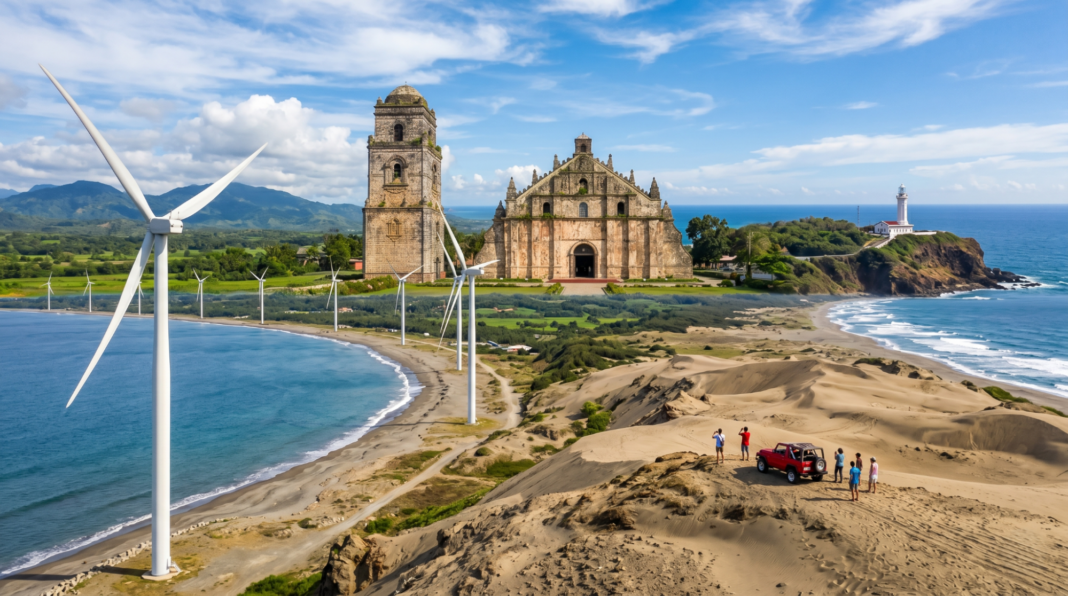
Forget the usual crowded destinations—Ilocos Norte hits differently. It’s one of the most complete travel destinations in Northern Philippines, offering beaches, heritage sites, and adventure spots in one road trip-friendly province.
Whether you are mapping out a classic northern road trip, this destination rewards you with a flawless mix of heritage, rugged nature, and scenic coastal drives that feel completely different at every single stop.
Quick Answer: What is the Ideal Ilocos Norte Itinerary for First-Timers?
The ultimate Ilocos Norte itinerary requires a 3-day, 2-night (3D2N) stay to comfortably explore the region. Because major landmarks are spread far apart across Laoag, Paoay, and Pagudpud, renting a private van or booking a guided tour is highly recommended for first-time visitors.
- Top Must-See Spots: Paoay Church (UNESCO Heritage Site), Bangui Windmills, Paoay Sand Dunes, and Saud Beach.
- Must-Try Local Dishes: Crispy Bagnet, garlicky Ilocos Longganisa, and authentic Ilocos Empanada.
- Essential Travel Tip: Always carry cash (Philippine Peso). Remote coastal towns, small eateries, and local souvenir stalls rarely accept credit cards or digital e-wallets.
What’s Inside
- Best Places to Visit in Ilocos Norte
- Must-Try Ilocos Norte Food and Local Delicacies
- Ilocos Norte Travel Tips for First-Time Visitors
- Final Thoughts: Why You Should Visit Ilocos Norte
- Ilocos Norte Travel Guide FAQs: Things You Need to Know
Best Places to Visit in Ilocos Norte
Ilocos Norte is packed with some of the most iconic Ilocos Norte tourist spots, from coastal landmarks to historical structures.
1. Bangui Windmills

The Bangui Windmills are famous for their massive, 70-meter-high wind turbines lined perfectly along the coast of Bangui Bay. Recognized as Southeast Asia’s first commercial power-generating wind farm, it is a pioneer in renewable energy tourism.
- Why visit: Stunning coastal views and a unique renewable energy landmark.
- Best for: Sightseeing, photography, and coastal scenic drives.
- Insider Tip: The winds are exceptionally powerful here. Hold onto your hats and cameras!
2. Paoay Church
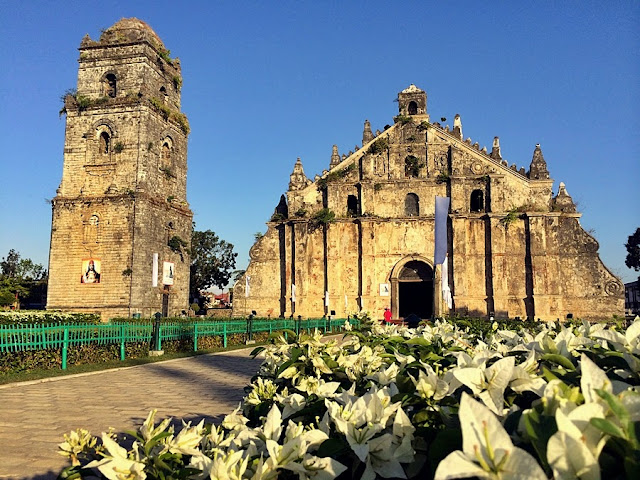
Paoay Church (Saint Augustine Church) is a UNESCO World Heritage Site known worldwide for its striking Earthquake Baroque architecture. Built in 1710, its massive side buttresses were specifically engineered to withstand the country’s strongest earthquakes.
- Why visit? Rich historical and cultural significance paired with beautiful Spanish-era architecture.
- Best for: History lovers and cultural trips.
3. Paoay Sand Dunes

Famous for its rugged, desert-like landscapes right next to the sea, the Paoay Sand Dunes are an absolute playground for adventure seekers.
- What to do: Ride a 4×4 across the dunes, try sandboarding down the slopes, and watch the sunset over the coast.
- Estimated Rate: Around ₱2,500 per vehicle (good for up to 5 people, including equipment).
- Best for: Adventure and outdoor activities
4. Saud Beach
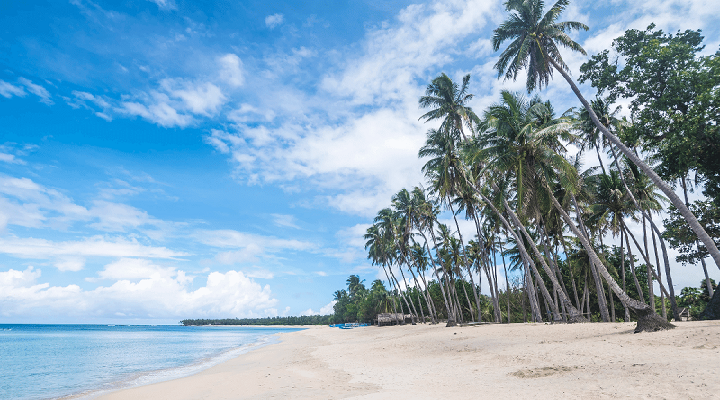
Set in the northern town of Pagudpud, Saud Beach is a peaceful stretch of shoreline known for its calm, crystal-clear waters, white sand, and laid-back environment. It offers a quiet, slow-travel alternative to commercialized beaches.
- Why visit: Quiet, less crowded beach environment perfect for swimming and slow travel.
- Best for: Beach getaways and relaxation.
Related: 19 Must-Visit Beaches in the Philippines for the Best Summer Vacation!
5. Kapurpurawan Rock Formation
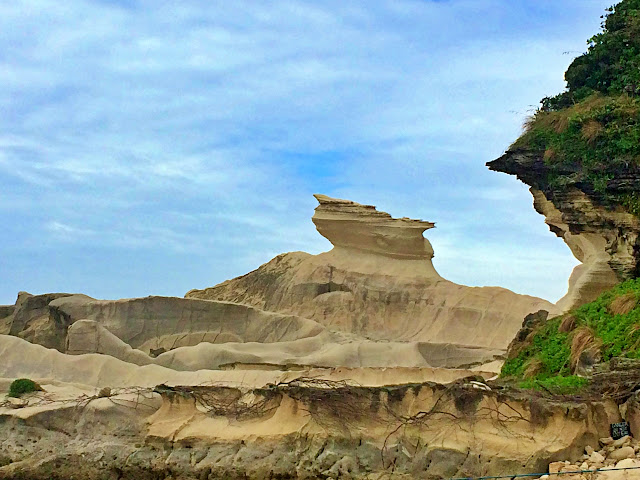
Derived from the Ilocano word puraw (meaning “white”), the Kapurpurawan Rock Formation is famous for its streamlined, creamy-white limestone structures sculpted naturally over thousands of years by ocean waves and strong coastal winds.
- Why visit: Unique natural rock formations and dramatic coastal scenery.
- Best for: Nature lovers and landscape photography.
6. Cape Bojeador Lighthouse

With its classic Spanish-colonial architecture and panoramic ocean views, Cape Bojeador Lighthouse in Burgos stands as one of the oldest operational lighthouses in the Philippines, having first been lit in 1892.
- Why visit: Historic and cultural significance with beautiful hilltop views of the Cape.
- Best for: Sightseeing and heritage tours.
7. Blue Lagoon (Maira-ira Beach)
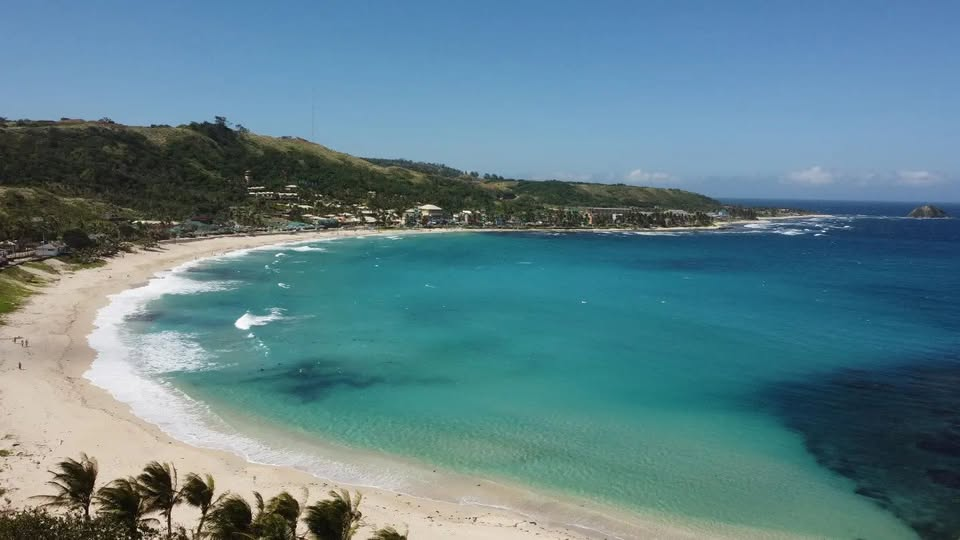
Blue Lagoon is known for its brilliant azure waters, excellent surfing spots, and lively beach atmosphere. It is also home to one of the longest over-water ziplines in the world.
- Why visit: Surf-friendly waves during peak season and a fun, family-friendly beach environment.
- Best for: Beach adventures and group trips.
8. Laoag City
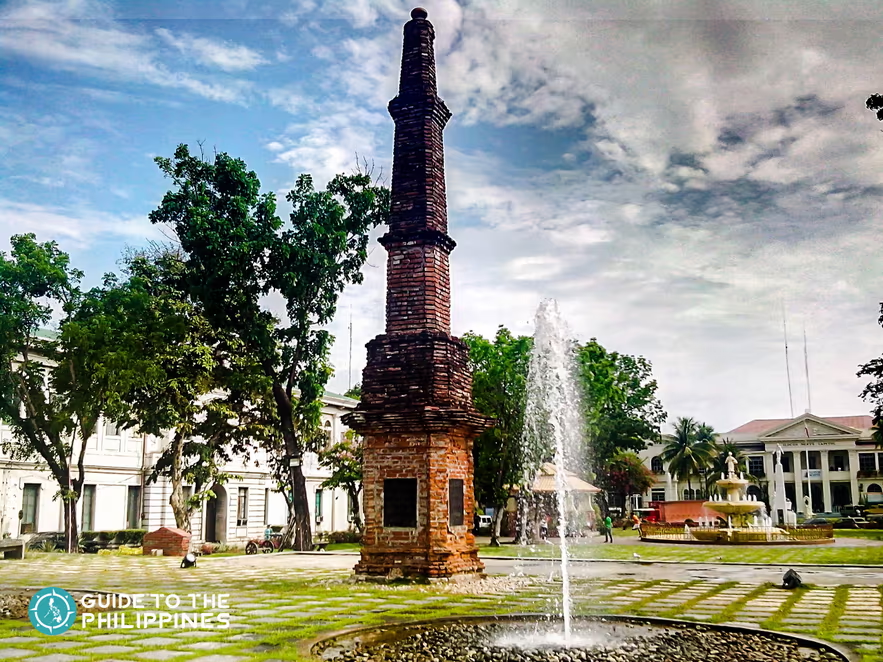
Serving as the capital of Ilocos Norte, Laoag City is also known as the “Sunshine City” of the Philippines—a central hub for travel, culture, and transport. It serves as the perfect base camp for exploring the rest of the province.
- Why visit: Direct access to major tourist spots, local heritage museums, and excellent night markets.
- Best for: Starting your northern road trip itinerary.
Must-Try Ilocos Norte Food and Local Delicacies
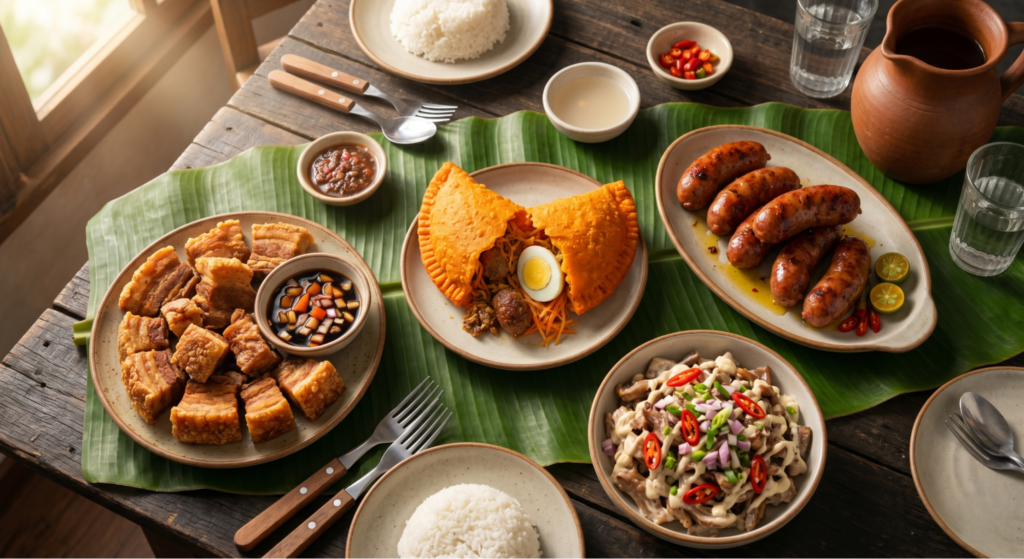
An authentic Ilocano journey is never complete without diving into its rich, savory, and distinctly garlicky culinary heritage.
1. Empanada (The iconic Ilocos snack)
This crispy, deep-orange snack is made from a thin rice-flour crust packed with local ingredients.
- What’s inside: Garlicky longganisa, a whole egg, and grated green papaya or mung beans.
- Where to eat: Head to Glory’s Empanada in Batac or the food stalls at the Laoag City Commercial Complex.
- Price: Usually ranges from ₱50 to ₱80 per piece. Enjoy it hot with a splash of local dark sukang Iloko (cane vinegar).
2. Dinakdakan, Sinanglao, and Poqui-Poqui
If you want to eat like a true local, look out for these traditional favorites at local eateries:
- Dinakdakan: Grilled pig’s parts tossed in a creamy, savory dressing.
- Sinanglao: A hearty, bitter-sour beef soup flavored with bile and ginger.
- Poqui-Poqui: A comforting, smoky dish made of roasted eggplants, scrambled eggs, tomatoes, and onions.
3. Bagnet (Crispy pork goodness)
Bagnet is deep-fried pork belly taken to the next level. It’s incredibly crunchy on the outside, tender on the inside, and a must-try for anyone exploring things to do in Ilocos Norte.
- How it’s served: Best enjoyed with bagoong (fermented shrimp paste), tomatoes, onions, or a local vinegar dipping sauce.
A must-try for anyone exploring things to do in Ilocos Norte that involve food stops.
4. Ilocos Longganisa (Garlicky and flavorful)
This is not your usual sweet sausage. Ilocos longganisa is small, plump, heavy on the garlic, and packed with savory flavor.
- How it’s served: It is commonly eaten for breakfast alongside garlic rice and a fried egg (Longsilog)—simple, but deeply satisfying.
5. Traditional Local Eatery Favorites
If you want to eat like a true local, look out for these traditional specialties at homegrown diners (carinderias):
- Dinakdakan: Grilled pig’s parts tossed in a creamy, savory dressing and seasoned with calamansi and onions.
- Sinanglao: A hearty, bitter-sour beef soup made with internal organs and flavored with bile, ginger, and kamias.
- Poqui-Poqui: A comforting, smoky vegetarian dish made of roasted eggplants, scrambled eggs, tomatoes, and onions.
- Pinakbet (Authentic Ilocano style): A robust vegetable stew featuring native ampalaya (bitter melon), eggplant, okra, and sitaw (yardlong beans). Unlike the southern version, true Ilocano pinakbet is flavored strictly with bagoong isda (fermented fish paste) instead of shrimp paste, and is traditionally tossed gently in the pot rather than stirred.
- Dinardaan: The Ilocano take on pork blood stew (dinuguan). It stands out because it is cooked until dry, thick, and slightly crispy, resulting in a rich, savory gravy that coats the tender pieces of pork without being soupy.
Ilocos Norte Travel Tips for First-Time Visitors
Planning your first trip to Ilocos Norte? A few simple tips can make your experience smoother, more enjoyable, and stress-free.
This section is designed to help you get the most out of your Ilocos Norte travel guide without unnecessary hassle.
1. Rent a van or join a tour for easier travel
Tourist spots in Ilocos Norte are spread out, so transportation is key.
Best options:
- Van rental (ideal for groups)
- Guided tours (best for convenience)
- Self-drive road trip (for experienced travelers)
This makes it easier to visit multiple Ilocos Norte tourist spots in one trip.
2. Start your day early
Most attractions are outdoors, so timing matters.
Why early travel helps:
- Avoid strong midday heat
- Maximize daylight for sightseeing
- Less crowd at popular spots
3. Prepare for hot and windy weather
Ilocos Norte is known for strong sun and coastal winds.
What to bring:
- Sunscreen
- Hat or cap
- Sunglasses
- Water bottle
Weather can change quickly, especially near coastal areas like Pagudpud and Bangui.
4. Expect limited signal in some areas
Some scenic spots may have weak mobile reception.
Common areas affected:
- Sand dunes
- Coastal cliffs
- Remote beaches
Download maps and confirm directions in advance.
5. Bring cash for small towns and local shops
Not all establishments accept digital payments.
Best practice:
- Withdraw cash before heading north
- Keep small bills for food and transport
This is especially useful when trying local food and small eateries.
6. Plan your Ilocos Norte itinerary properly
Because attractions are spread out, having a plan helps a lot.
A good Ilocos Norte itinerary usually includes:
- Laoag (heritage + city stops)
- Paoay (sand dunes + church)
- Pagudpud (beaches)
- Burgos (lighthouse + rock formations)
This ensures you don’t miss the best places to visit in Ilocos Norte.
7. Don’t rush the experience
Ilocos Norte is not just about ticking off tourist spots—it’s about enjoying the journey.
Take your time:
- Stop for scenic views
- Try local food along the way
- Enjoy road trip moments between destinations
Some of the best memories happen outside the main attractions.
Final Thoughts: Why You Should Visit Ilocos Norte
Ilocos Norte is one of the few destinations in the Philippines that combines heritage tourism, coastal landscapes, and adventure travel in one region.
It is not just a place you visit—it is a road trip experience across multiple landscapes, making it one of the best destinations in Northern Luzon.
Ilocos Norte Travel Guide FAQs: Things You Need to Know
What is Ilocos Norte known for?
Ilocos Norte is known for its windmills, heritage churches, sand dunes, and scenic coastal landscapes.
How many days do you need in Ilocos Norte?
A 3 days 2 nights Ilocos Norte itinerary is ideal for covering major tourist spots comfortably.
What are the top tourist spots in Ilocos Norte?
The top spots include Bangui Windmills, Paoay Church, Pagudpud beaches, Kapurpurawan Rock Formation, and Paoay Sand Dunes.
Is Ilocos Norte good for first-time travelers?
Yes. It’s beginner-friendly, especially for road trips and guided tours.