
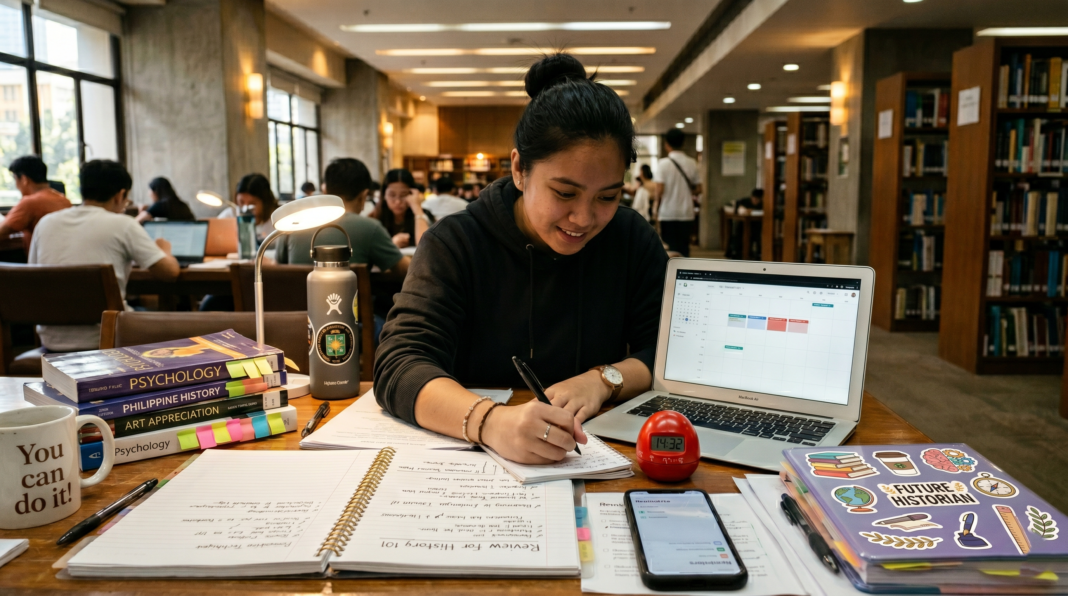
Balancing school, deadlines, org activities, and personal life isn’t easy—especially when everything seems urgent at the same time.
For many students in the Philippines, the real challenge isn’t just studying hard, but managing time wisely. That’s where effective time management for Filipino students becomes a real game-changer.
This guide breaks down simple, practical hacks you can actually apply starting today. No complicated systems, no overwhelming routines—just straightforward time management tips for students that help you stay productive without burning out.
Quick Answer: Time Management Hacks for Filipino Students
What is the best way for Filipino students to manage their time effectively?
The most effective time management hacks for Filipino students revolve around structure, focus, and smart tools. Instead of relying on memory or cramming, you can instantly boost your productivity using these four core strategies:
- Time Blocking & Prioritization: Stop using overwhelming, endless to-do lists. Pick only 3–4 high-priority tasks each day and assign them specific time blocks in your schedule.
- Study Sprints (The Pomodoro Technique): Avoid academic burnout by studying in short, highly focused 25-minute bursts, followed by a 5-minute break to refresh your mind.
- Use an External System: Stop trying to remember every deadline. Dump everything into digital tools like Google Calendar and Notion, or use a reliable physical planner.
- Study During Peak Energy Hours: Identify the time of day when your brain is naturally most alert, and schedule your hardest subjects during those exact hours.
The Bottom Line: Good time management isn’t about doing more work—it’s about using consistent, daily systems to get your schoolwork done efficiently so you can actually enjoy your personal life without the stress of cramming.
What’s Inside
- Why Time Management Matters for Filipino Students
- Simple Ways Students Can Stay Productive Daily
- Study Habits That Improve Focus and Efficiency
- Study Sprints for Better Focus and Retention
- Use a System Instead of Relying on Memory
- Common Mistakes Students Should Avoid
- How to Manage School and Life More Effectively
- Final Thoughts on Time Management for Students in the Philippines
- Frequently Asked Questions About Time Management for Filipino Students
Why Time Management Matters for Filipino Students
Good time management isn’t just about getting better grades. It affects how students handle stress, deadlines, and daily responsibilities.
How poor planning affects academic performance
Without structure, students often end up cramming, missing deadlines, or rushing output—which leads to lower-quality work and unnecessary stress. In Philippine schools where group projects (reporters, researchers) are frequent, poor individual planning can also negatively impact your entire group’s grades.
Benefits of building strong time management habits
With better habits, students can:
- Stay more focused during study sessions
- Reduce academic pressure
- Avoid last-minute work
- Balance school and personal life more effectively
Why many students struggle with time
Filipino students face a unique mix of academic pressures and cultural expectations. Juggling heavy course loads, active org involvement, family duties (like doing household chores or taking care of siblings), and the constant pull of social media makes it incredibly easy to lose track of priorities without a clear system.
Simple Ways Students Can Stay Productive Daily
Focus on only a few important tasks each day
Instead of overwhelming to-do lists, choose a small number of priorities so you can focus better and finish tasks more efficiently.
Organize your day into time blocks
Assign specific time periods for studying, breaks, and activities. This is especially useful for blocking out unavoidable time drains, such as a 2-hour commute or scheduled family dinners, ensuring your actual study hours are protected.
Start tasks immediately to beat procrastination
When something feels difficult to start, begin with a small step. Getting started often builds momentum.
Study Habits That Improve Focus and Efficiency
Study during your most focused hours
Everyone has different peak energy times. Identify when you focus best and schedule difficult tasks during those hours. If you are a night owl, use the quiet late-night hours after family members have gone to sleep to tackle heavy readings.
Reduce distractions while studying
Turn off unnecessary notifications and avoid switching between apps to maintain focus during study sessions.
Plan your week ahead instead of day-by-day
Weekly planning gives you a clearer overview of deadlines and helps you manage workload more effectively.
Study Sprints for Better Focus and Retention
Long study sessions often lead to fatigue and reduced memory retention. A more effective approach is using short, focused study cycles known as study sprints, which are based on the Pomodoro Technique.
This technique follows a simple structured rhythm that improves focus and productivity.
How it works:
- Study for 25 minutes
- Take a 5-minute break
- Repeat several cycles
- Take a longer break afterward
Why this method is effective:
Short study bursts help improve concentration, reduce burnout, and make studying feel more manageable, especially during exam periods.
Use a System Instead of Relying on Memory
Relying on memory alone often leads to missed deadlines and unnecessary stress. A simple system helps keep everything organized.
Useful tools for students
- Google Calendar
- Notion
- Physical planners
- Reminder apps
Why systems improve productivity
Writing things down frees mental space, allowing students to focus more on completing tasks instead of remembering them.
Common Mistakes Students Should Avoid
1. Waiting for motivation
Motivation changes daily. Routines and systems are more reliable than waiting for the “right mood.”
2. Doing too much at once
Taking on too many tasks at the same time often reduces focus and productivity.
3. Studying without breaks
Breaks are essential for maintaining focus and improving retention.
4. Ignoring rest and sleep
Sacrificing sleep for “all-nighters” is a common badge of honor among Pinoy students, but it is deeply counterproductive. Proper rest improves memory, energy levels, and overall academic performance.
How to Manage School and Life More Effectively
Build a realistic routine
A balanced schedule that includes study time, rest, and personal activities is more sustainable long-term.
If you need a more structured environment to improve focus, you can also explore these productivity-boosting coworking spaces in Metro Manila for a better study or work setup.
Balance responsibilities without overloading yourself
Learn to prioritize what matters most and avoid committing to too many tasks at once.
Focus on consistency, not perfection
Small, consistent habits are more effective than trying to follow a perfect schedule.
Final Thoughts on Time Management for Students in the Philippines
Managing time well isn’t about doing more—it’s about doing things more efficiently.
When students build better habits, schoolwork becomes less stressful and more structured. Over time, this leads to improved performance and more free time for rest and personal activities.
Start small. Focus on a few strategies first and build from there. Consistency will always matter more than intensity.
Frequently Asked Questions About Time Management for Filipino Students
What is the best time management strategy for students?
The best strategies are time blocking and task prioritization. These methods allow you to schedule exact hours for your most important school tasks, preventing you from feeling overwhelmed.
How can Filipino students improve productivity?
Students can boost productivity by setting fixed study schedules, minimizing social media use, and using structured routines like the 25-minute Pomodoro study sprints.
Why do students struggle with time management?
Most students struggle due to chronic procrastination, digital distractions, heavy academic workloads, and balancing family or org commitments without a formal planning system.
How do I stop procrastinating as a student?
To stop procrastinating, break large assignments into tiny tasks, apply the 2-minute rule to get started, and completely remove your phone from your study area.
What are the best study productivity tips for students?
Top tips include avoiding multitasking, studying during your natural peak energy hours, taking frequent short breaks, and tracking your deadlines using apps like Notion or Google Calendar.
Why is time management important for Filipino students?
Good time management allows Filipino students to balance demanding academics, long commutes, and family life while drastically reducing academic stress and preventing mental burnout.