
Zamboanga City isn’t your typical Philippine destination—it’s the kind of place that quietly surprises you with pink beaches, Spanish-era landmarks, and sunset views that don’t even need filters.
If you’re planning a trip, the best way to experience it is by visiting its iconic pink sand island, historic Fort Pilar Shrine, and scenic Paseo del Mar. A 2–3 day Zamboanga City itinerary is usually enough to cover the highlights, though many travelers end up wishing they stayed longer.
This Zamboanga City travel guide will walk you through the best things to do in Zamboanga City, must-visit attractions, and practical tips so you can explore without stress.
Related: 17 Must-Visit Underrated Destinations in the Philippines
Quick Answer: Zamboanga City Travel Guide
Zamboanga City is widely known as “Asia’s Latin City” because of its strong Spanish influence, especially reflected in its culture, architecture, and the Chavacano language (a Spanish-based creole spoken by many locals). It’s best explored through its pink sand island, heritage landmarks, and relaxed coastal vibe, making it ideal for a 2–3 day trip.
Top things to do in Zamboanga City:
- Visit Great Sta. Cruz Island’s pink sand beach
- Explore Fort Pilar Shrine
- Watch sunset at Paseo del Mar
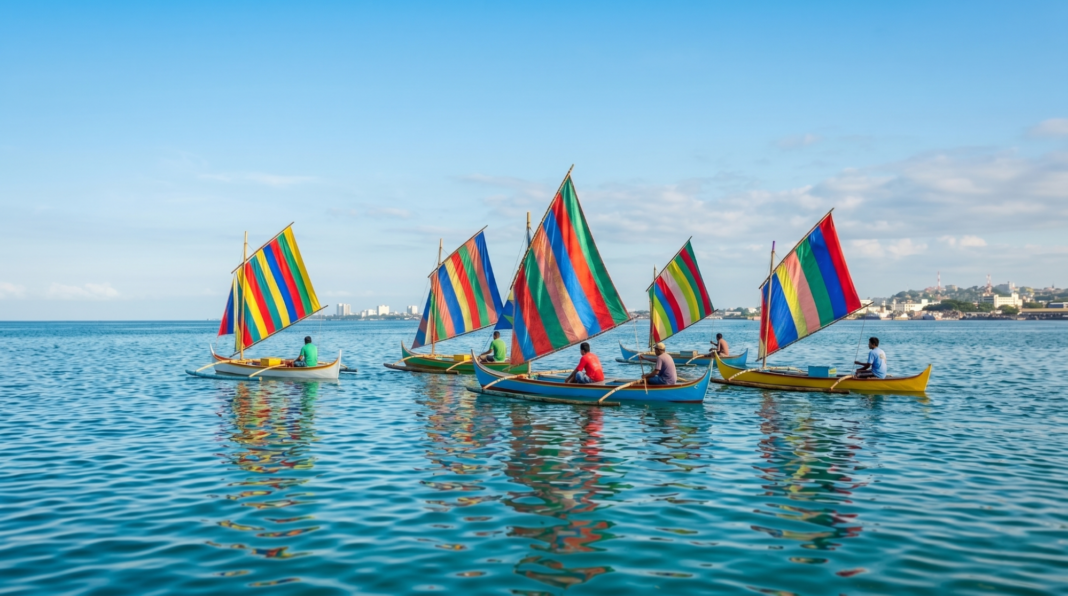
- Ride a traditional vinta boat
- Take a nature trip to Merloquet Falls
- Shop at Canelar Barter Trade Center
- Try local food like curacha and satti
Best time to visit:
December to May (dry season) for better weather and island tours.
How to get there:
Fly to Zamboanga City via Manila or Cebu, then take a short 20–30 minute ride to the city center.
Who it’s for:
Perfect for travelers who enjoy culture, beaches, food trips, and slow-paced exploration over crowded tourist destinations.
What’s Inside
- Why Visit Zamboanga City?
- Top Things to Do in Zamboanga City
- What to Eat in Zamboanga City
- Sample 3-Day Zamboanga City Itinerary
- Travel Tips for Zamboanga City
- How to Get to Zamboanga City
- Final Thoughts: Why Zamboanga City is Worth Visiting for Culture, Islands, and Hidden Gems
- FAQs About Zamboanga City
Why Visit Zamboanga City?
Zamboanga City, often called “Asia’s Latin City,” stands out because of its unique blend of Spanish-influenced culture, vibrant Chavacano language, and coastal scenery.
Unlike more commercialized destinations, it still feels raw and authentic—less rushed, more relaxed, and surprisingly underrated.
If you’re building a list of Zamboanga City tourist spots, expect a mix of:
- Heritage sites
- Island adventures
- Sunset promenades
- Waterfalls and nature escapes
Top Things to Do in Zamboanga City
Let’s get straight to the good part—what you actually came here for: the experiences.
1. Visit the Famous Pink Sand Beach of Sta. Cruz Island
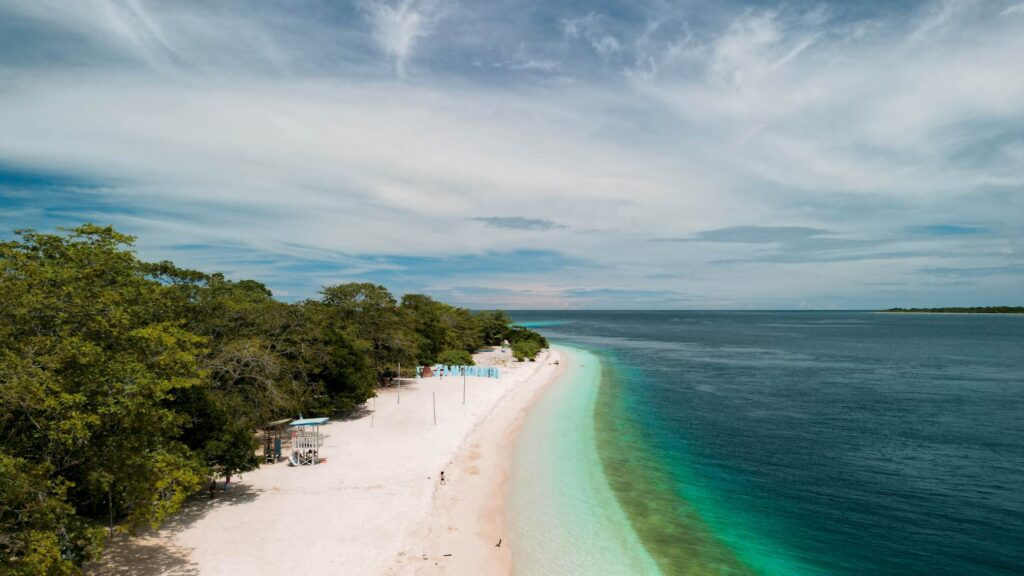
One of the most iconic stops in any Zamboanga City travel guide is the Pink Sand Beach of Great Santa Cruz Island.
Yes, the sand is naturally pink-ish—a mix of pulverized red organ pipe coral and white sand. It’s more subtle in person than in heavily edited photos, but still one of the rarest beaches in the Philippines.
What to expect:
- Clear shallow waters
- Mangrove lagoon tours operated by the indigenous Sama-Bangingi community
- Limited to 400 visitors daily
- Strict no single-use plastics policy
If you’re searching for nature-focused Zamboanga City tourist spots, this is easily one of the highlights.
2. Explore the Historic Fort Pilar Shrine
For culture and history, head to Fort Pilar Shrine. This Spanish-era fortress is one of the most important landmarks in Mindanao. It serves as an outdoor Marian shrine and shares the same historical complex as the National Museum of the Philippines – Zamboanga, which showcases regional history, religious artifacts, and local culture.
Why it’s worth visiting:
- Rich Spanish colonial history
- Peaceful atmosphere for reflection
- Local vendors and crafts nearby
3. Sunset at Paseo del Mar
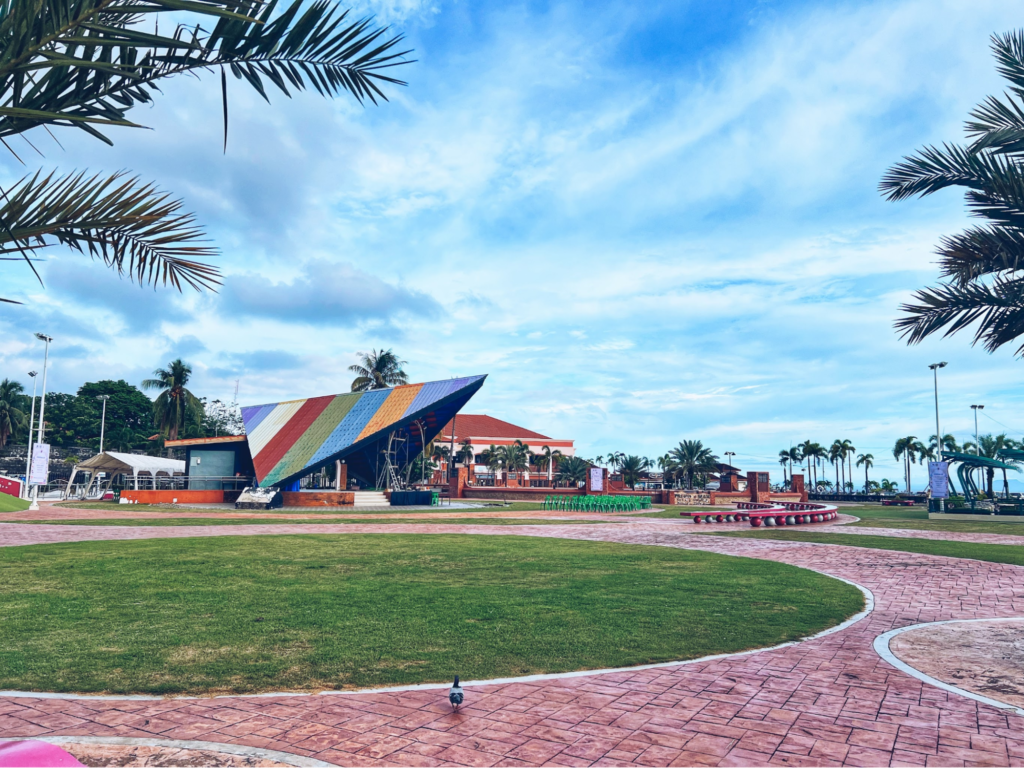
One of the most relaxing things to do in Zamboanga City is walking along Paseo del Mar. This waterfront promenade is where locals gather in the late afternoon. It’s simple, lively, and perfect for slow travel moments.
Don’t miss:
- Sunset views over the sea
- Local street food stalls
- Live music or cultural performances (sometimes)
This is also a great place to unwind after a full day of sightseeing.
4. Discover Merloquet Falls
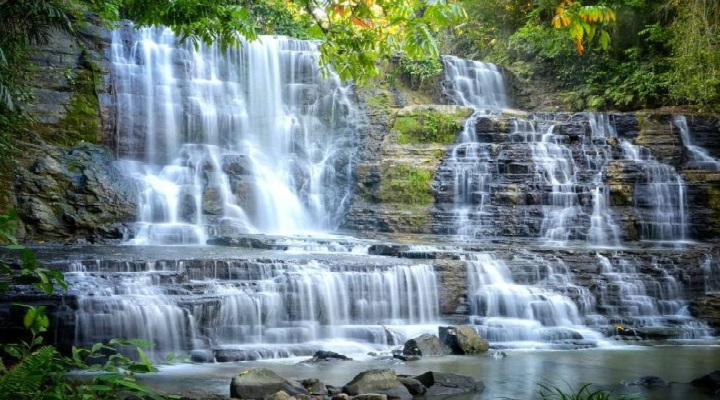
If you’re craving nature beyond the coastline, go inland to Merloquet Falls.
It’s about a 1.5–2 hour drive from the city center, but the journey is part of the experience.
Related: 12 Spectacular Waterfalls in the Philippines
What makes it special:
- Wide curtain-like waterfall
- Lush green surroundings
- Less crowded compared to mainstream tourist spots
Perfect for travelers who want to add a nature break to their Zamboanga City travel guide itinerary.
5. Island Hopping & Coastal Views
Beyond Sta. Cruz Island, Zamboanga offers smaller island tours and coastal adventures. The Once Islas (Eleven Islands) tour is an incredible alternative, offering pristine white sand bars and eco-cultural trekking managed by the local community. While not as commercialized, these experiences are more personal and peaceful.
6. Walk Around Canelar Barter Trade Center
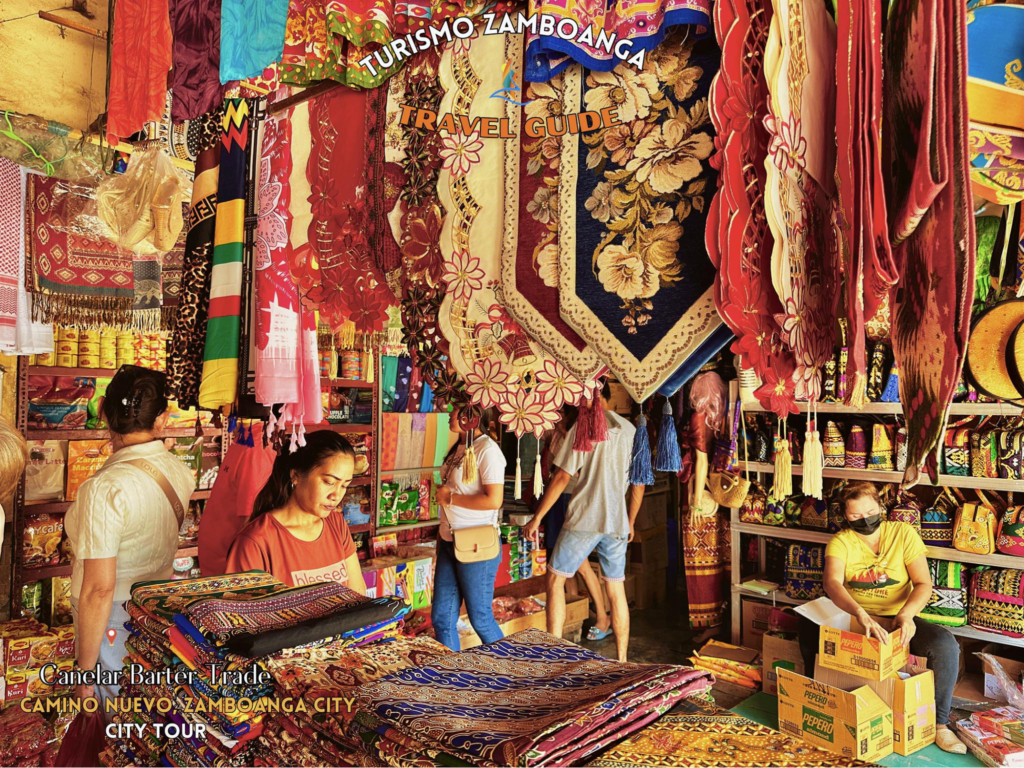
A popular stop for travelers who like shopping and bargain hunting.
You’ll find:
- Imported goods from Malaysia and Indonesia (like Apollo cakes and OldTown White Coffee)
- Souvenirs, colorful Yakan handwoven textiles (Tennun), and local batiks
- A more “market-style” experience of the city
It’s a different vibe compared to beaches and heritage sites.
7. Ride a Vinta Boat
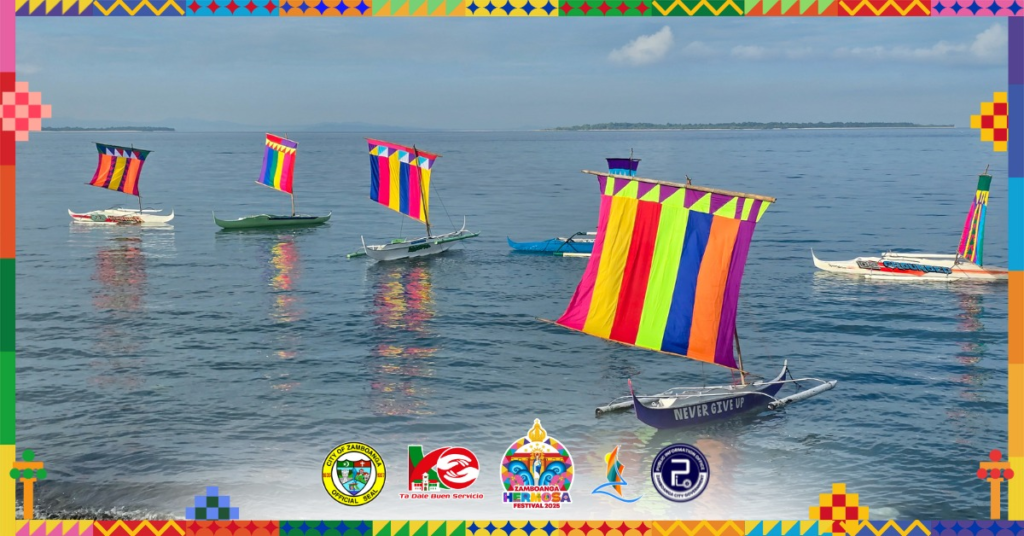
One of the most iconic experiences in Zamboanga City is riding a traditional vinta boat, known for its colorful sails and strong cultural roots.
You’ll usually see them around coastal areas like Paseo del Mar, especially during sunset. It’s a short but memorable ride that gives you a glimpse of local maritime culture.
What to Eat in Zamboanga City
Food is a huge part of the experience here. Influenced by Chavacano, Spanish, and local Mindanao flavors, the dishes are simple, bold, and incredibly satisfying, especially if you love seafood and street-style eats.
Despite its rich culinary heritage, the local dining scene remains surprisingly underrated compared to other food destinations in the Philippines. From fresh seafood and traditional Tausug dishes to unique desserts and hearty breakfasts, exploring the local cuisine is one of the best ways to connect with the region’s culture and traditions.
Related: 8 Underrated Foodie Destinations in the Philippines Worth Traveling For
1. Curacha with Alavar Sauce
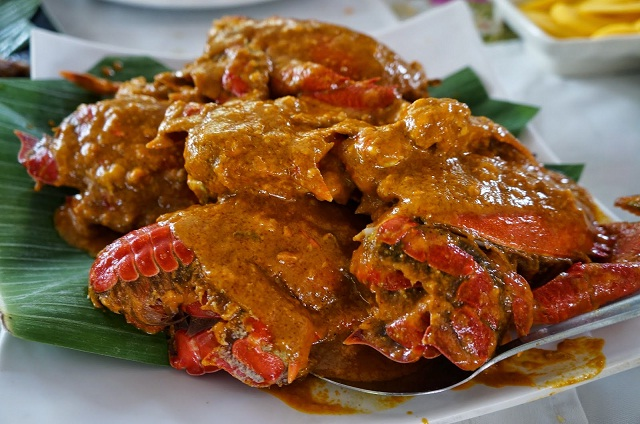
Curacha (Spanner Crab) is one of Zamboanga’s most iconic seafood dishes. Unlike regular crabs, most of its meat is concentrated in the body, giving it a rich and flavorful texture.
- What it tastes like: Sweet, meaty crab coated in a savory and slightly spicy sauce made with coconut milk, crab fat, and local spices.
- Where to get it: Alavar Seafood Restaurant is the city’s most famous spot for this dish.
Pro Tip: This is best enjoyed kamayan-style. Save extra Alavar sauce to pour over rice.
2. The Knickerbocker
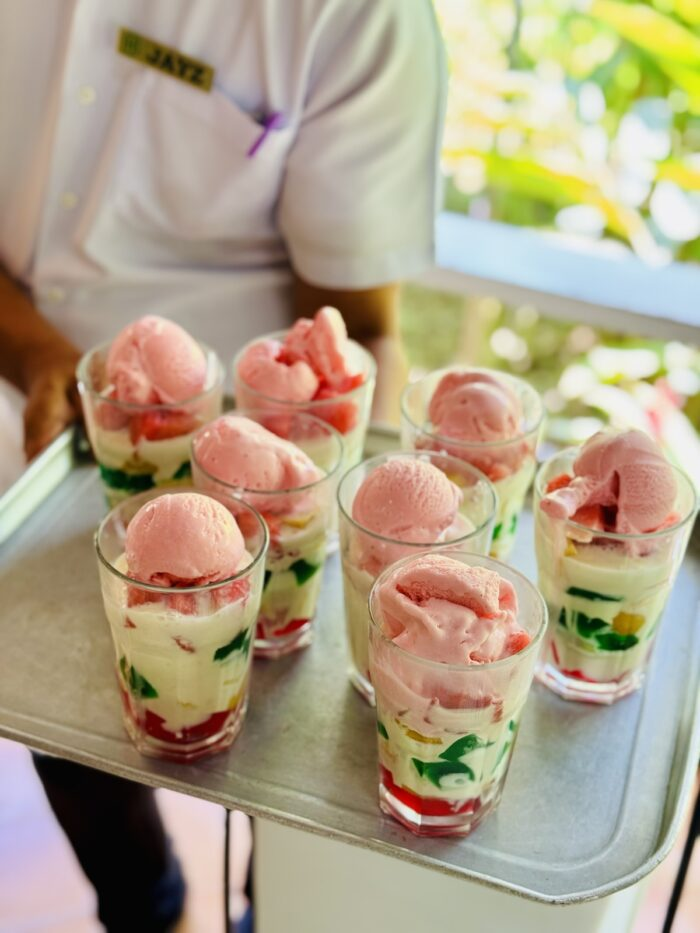
The perfect way to cool down after a long day of exploring local Zamboanga City tourist spots is with a refreshing Knickerbocker. Think of it as Zamboanga’s healthier, fruitier cousin to the Halo-Halo.
- The Flavor Profile: A light, colorful mix of fresh sliced fruits (mangoes, watermelons, bananas), chunks of gelatin, and condensed milk, all topped with a generous scoop of strawberry ice cream.
- Where to get it: Hacienda de Palmeras (the original creator) or the food stalls along Paseo del Mar.
3. Tausug Dishes
Zamboanga City is one of the best places to experience authentic Tausug cuisine because of its close cultural ties to the Sulu Archipelago. Unlike typical Filipino dishes, Tausug food is known for bold spices, lemongrass, and the distinct smoky flavor of burnt coconut.
Here are some staples worth trying for a cultural food trip:
- Tiyula Itum (Black Beef Soup): A rich, smoky beef soup flavored with pamapa—a charred coconut spice paste mixed with ginger, turmeric, and chilies.
- Pyanggang Manuk (Black Grilled Chicken): Chicken marinated in burnt-coconut spices, simmered in coconut milk, then grilled for a smoky finish.
- Kahawa Sug & Bangbang: Traditional Tausug coffee paired with local pastries like Apam and Jamu-Jamu.
Where to get it: Dennis Coffee Garden (San Jose Road) or Bay Tal Mal Restaurant (Commercial Complex).
4. Satti
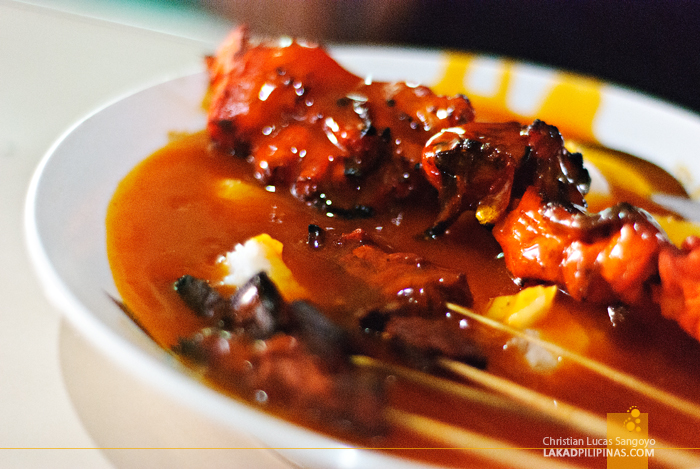
You haven’t truly experienced Zamboanga until you’ve had Satti for breakfast. Deeply rooted in the region’s Muslim culture, this is the city’s ultimate morning comfort food and a daily ritual for locals.
- The Flavor Profile: Small skewers of grilled beef or chicken served over ta’mu (rice cakes), completely submerged in a thick, fiery, sweet, and spicy red gravy.
- Where to get it: Jimmy’s Satti House or Andy’s Satti.
Sample 3-Day Zamboanga City Itinerary
If you’re wondering how to structure your trip, here’s a simple Zamboanga City itinerary that balances sightseeing and downtime.
Day 1: Heritage + City Exploration
- Fort Pilar Shrine and National Museum visit
- Walk around the city center and Plaza Pershing
- Sunset at Paseo del Mar with a traditional Vinta ride
- Try local food like Satti or Tiyula Itum in the evening
Day 2: Island Adventure
- Early trip to Great Sta. Cruz Island
- Mangrove tour + beach time + Stingless Jellyfish interaction
- Return to city by afternoon
- Relaxed dinner at Alavar Seafood Restaurant
Day 3: Nature + Slow Travel
- Day trip to Merloquet Falls
- Coffee or café stop at Dennis Coffee Garden
- Souvenir shopping at Canelar Barter Trade Center
- Final sunset walk at the R.T. Lim Boulevard
Travel Tips for Zamboanga City
To make your trip smoother, keep these in mind:
Safety & Etiquette
Zamboanga is generally safe for tourists, especially in major areas. Still, always follow local guidance and respect restricted zones.
Best Time to Visit
- Dry season (December to May) is ideal
- Avoid heavy rains if you plan island trips
- October is also great for the Zamboanga Hermosa Festival
Getting Around
- Tricycles and taxis are common
- Hire a van for island + waterfall combos
- Join guided tours for convenience
Pro Tip
Book Sta. Cruz Island tours early. The Protected Area Management Office (PAMO) limits tourist slots daily for environmental conservation, and the island is closed to the public on Mondays and Fridays for clean-up operations.
How to Get to Zamboanga City
Most travelers fly directly into Zamboanga City via domestic flights from Manila or Cebu.
Once you land:
- City center is around 20–30 minutes from the airport
- Transportation is easy via taxis or ride services
Final Thoughts: Why Zamboanga City is Worth Visiting for Culture, Islands, and Hidden Gems
Zamboanga City is one of those destinations that quietly leaves a lasting impression. It blends coastal scenery, heritage sites, and a relaxed pace that’s easy to enjoy.
From island escapes to historic landmarks and sunset walks, the city offers a well-rounded mix of experiences without feeling overwhelming.
If you’re planning a trip, take your time, explore slowly, and let Zamboanga show you its charm in its own way.
FAQs About Zamboanga City
How many days are enough for a Zamboanga City trip?
A 2–3 day trip is usually enough to explore the top Zamboanga City tourist spots. This timeframe easily covers Great Sta. Cruz Island, Fort Pilar Shrine, Paseo del Mar, and a quick inland day trip to Merloquet Falls. If you want a slower itinerary that includes the Once Islas hopping, staying for 4 to 5 days is recommended.
What are the best things to do in Zamboanga City?
The best things to do in Zamboanga City focus on cultural heritage, unique natural landscapes, and culinary tours. Top highlights include swimming at the pink sand beach of Great Sta. Cruz Island, tracing colonial history at Fort Pilar Shrine, riding a colorful vinta boat at Paseo del Mar, and sampling local signature dishes like Curacha and Tausug black beef soup..
Is Zamboanga City safe for tourists?
Yes, Zamboanga City is generally safe for tourists, especially within major tourist hubs and commercial areas. The city maintains visible security presence in key locations frequently visited by travelers.
Like any destination, it’s still important to practice standard precautions. Stay in well-lit areas at night, use accredited guides when needed, and follow local advisories if traveling outside the city proper.
What is the best time to visit Zamboanga City?
The best time to visit Zamboanga City is during the dry summer season from December to May. This ensures calm sea conditions for island-hopping tours to Sta. Cruz Island. Alternatively, visiting in October allows you to witness the vibrant cultural celebrations of the Zamboanga Hermosa Festival.
How do I get to Great Sta. Cruz Island?
Visitors usually need to register and take an accredited boat tour from the designated jump-off point in Zamboanga City. Since daily tourist slots are limited for environmental protection, it’s best to book ahead during peak travel months.
What food should I try in Zamboanga City?
You should prioritize trying Curacha with Alavar Sauce, Satti, Tiyula Itum, and the Knickerbocker dessert. The local food scene is incredibly distinct because it merges Spanish-Chavacano coastal flavors with indigenous Tausug cooking techniques that use charred coconut and robust spices.
What are the must-visit Zamboanga City tourist spots for first-timers?
First-time visitors should prioritize Great Sta. Cruz Island, Fort Pilar Shrine, Paseo del Mar, and the Canelar Barter Trade Center. These four foundational landmarks provide the perfect introductory mix of Zamboanga’s unique environment, religious history, coastal lifestyle, and indigenous shopping experiences.
Can I explore Zamboanga City on a budget?
Yes, Zamboanga City is highly accessible for budget-conscious travelers. Compared to heavily commercialized hubs like Boracay or El Nido, public transport tricycles are affordable, entrance fees to historic sites are minimal, and local street delicacies like Satti offer filling meals for under ₱100.